Guides, market digests and plain-language lessons on crypto, forex and gold.
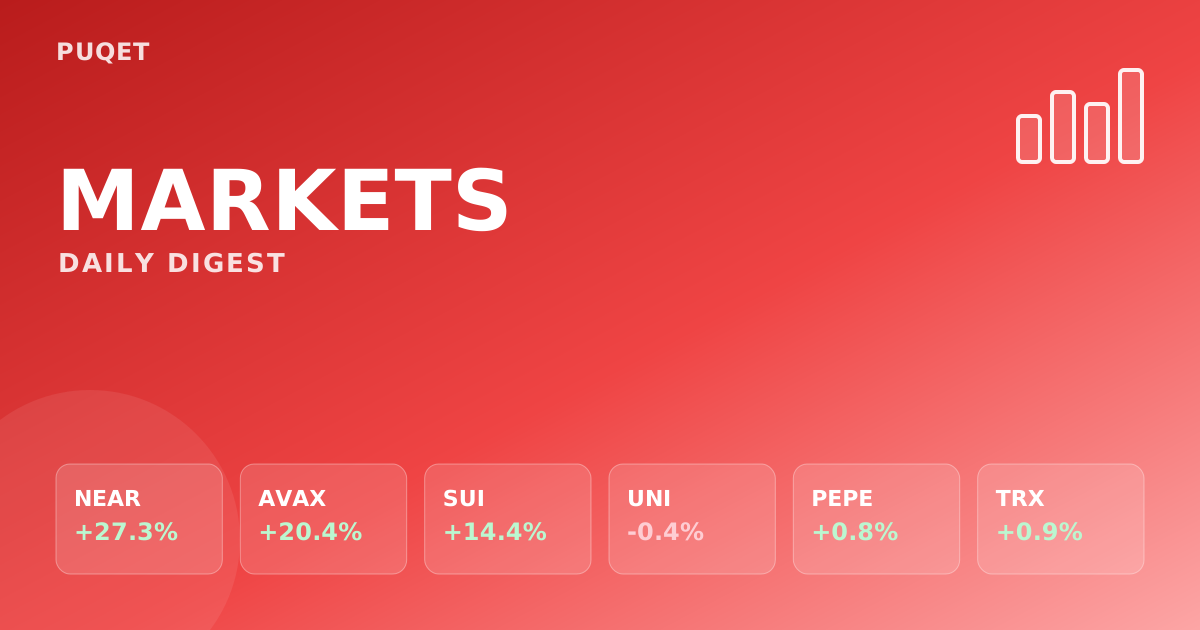
NEAR leads today's movers — see the full gainers and losers breakdown.
2026-09-21
A DAO is a group that coordinates money and decisions through smart contracts instead of executives and paperwork. Here's how membership tokens, proposals, on-chain voting, and treasuries actually work — plus the practical limits of governing by code.
Crypto transactions can create tax obligations in many countries, but the rules differ by jurisdiction. Here's a plain-language look at the core concepts — taxable events, cost basis, accounting methods, and why record-keeping matters so much.
2026-09-20
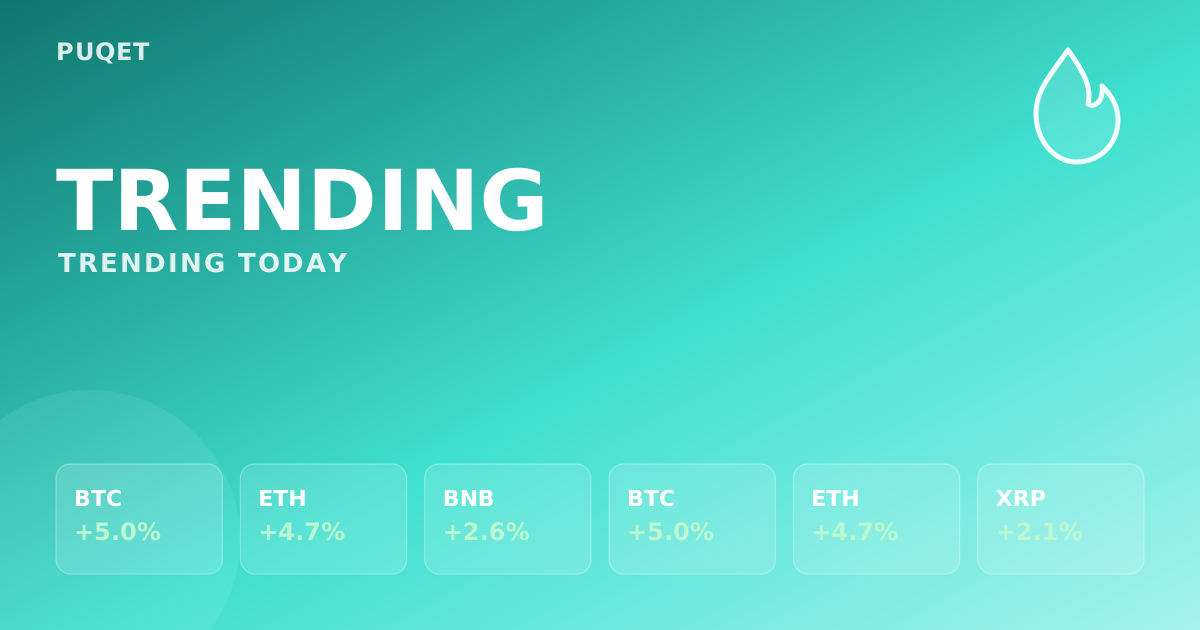
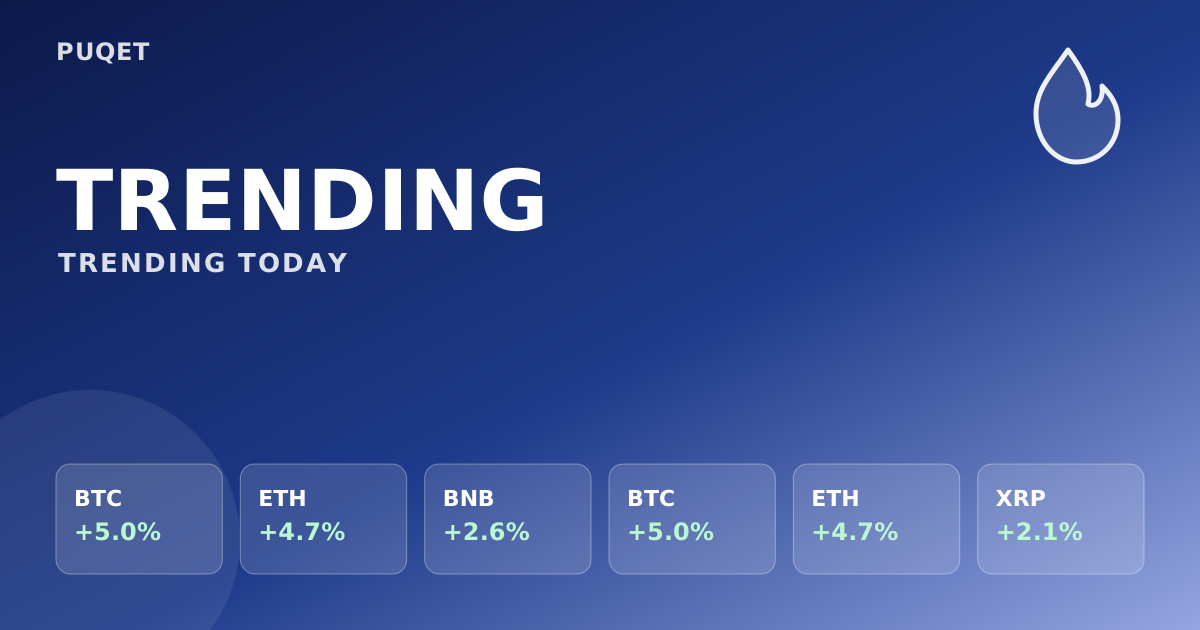
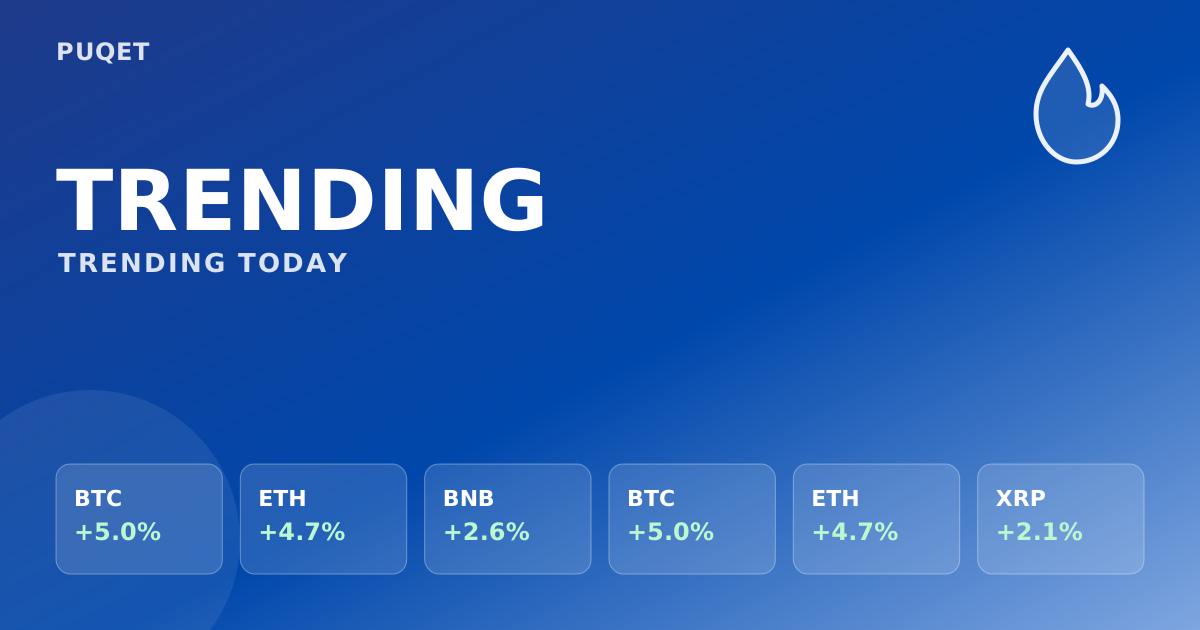
The coins getting the most attention today — hot picks and volume leaders.
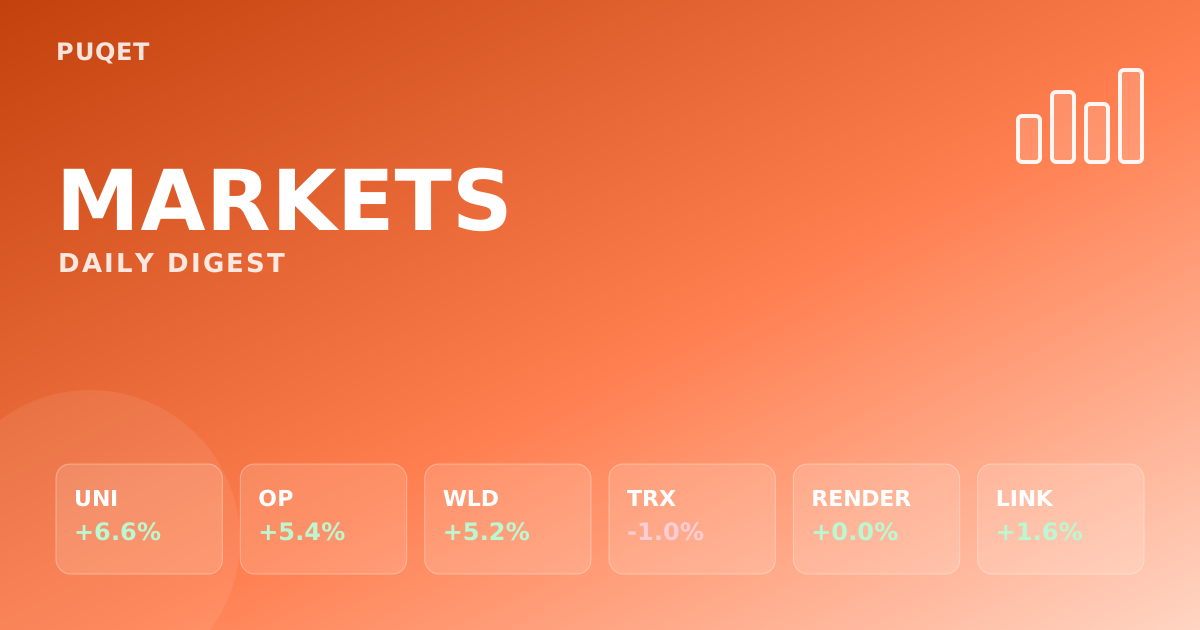
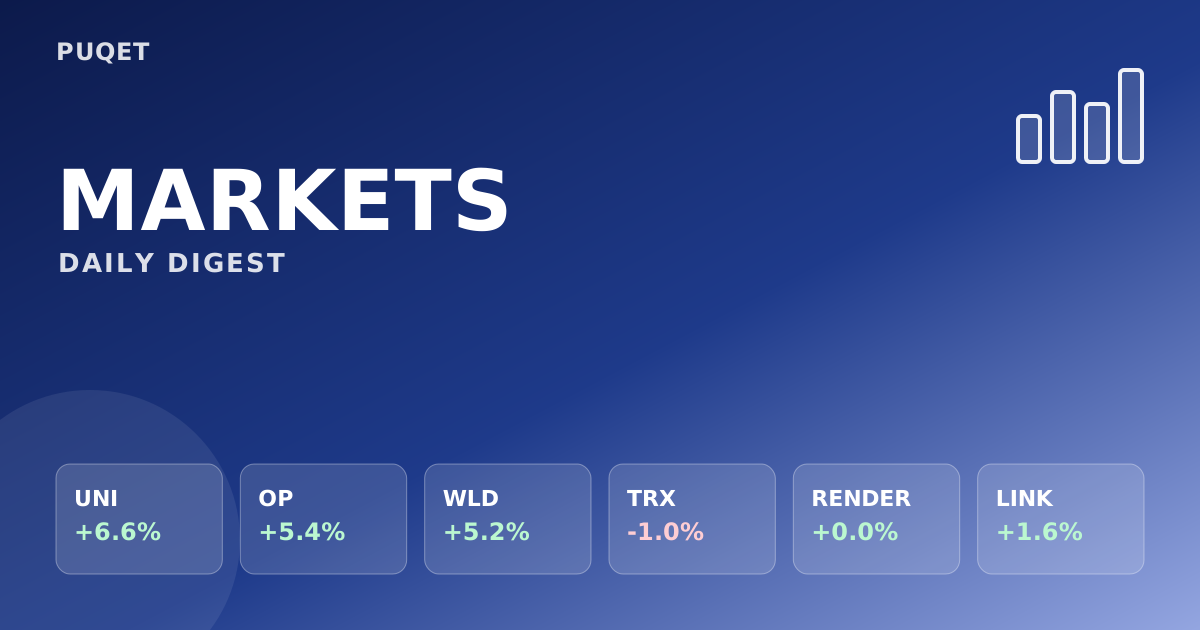
UNI leads today's movers — see the full gainers and losers breakdown.
A fork happens when a blockchain's participants stop agreeing on a single set of rules. Here's a plain-language look at what causes forks, how hard forks differ from soft forks, and what happens to coins and users when a network splits.
Crypto's irreversible transactions make it a favorite target for fraud. Here's how the most common scams actually work — phishing, fake giveaways, approval draining, and social engineering — and the habits that keep your funds out of reach.
2026-09-19
A whitepaper is the document where a crypto project explains what it's building, how the technology works, and how its token fits in. Here's what's usually inside one, how to read it critically, and why the document matters far less than what a project actually ships.
Volume and liquidity are two of the most useful numbers on any trading screen, and they're often confused. Here's what each one actually measures, how order books and spreads fit in, and why slippage happens when a market is thin.
2026-09-18
Yield farming is the practice of putting crypto assets to work inside decentralized finance protocols in exchange for rewards. Here's a plain-language look at liquidity pools, LP tokens, reward emissions, and the risks that come with them.
Blockchains face a hard trade-off between decentralization, security, and speed. Layer 1 networks settle transactions at the base layer, while Layer 2 systems batch activity off-chain and post proofs back. Here's how both approaches work, in plain language.
2026-09-17
A smart contract is a program stored on a blockchain that runs automatically when its conditions are met. Here's a plain-language look at how they work, what makes them different from ordinary software, and where their real limits lie.
A crypto wallet doesn't actually hold your coins — it holds the keys that prove those coins are yours. Here's a plain-language look at private keys, public addresses, seed phrases and digital signatures, and what really happens when you hit "send".
2026-09-16
DeFi replaces banks and brokers with self-executing code on public blockchains. Here's a plain-language look at what decentralized finance actually is, the building blocks it's made from, and the trade-offs that come with removing the middleman.
2026-09-15
Crypto prices can move sharply in both directions, and understanding why is the first step toward managing risk. A plain-language look at what volatility actually is, where it comes from, and the mechanics traders use to keep losses contained.
NFTs are often described as expensive JPEGs, but underneath the hype is a simple technical idea: a blockchain record that can prove which specific item you hold, rather than just how much of something you own.
2026-09-14
Centralized and decentralized exchanges both let you trade crypto, but they differ in who holds your coins, how trades are matched, and what can go wrong. Here's a plain-language look at the mechanics behind each model and the trade-offs they involve.
Stablecoins aim to hold a steady value by tying themselves to an outside reference like a national currency. Here's a plain-language look at the main designs behind them, how pegs are actually maintained, and what can cause a stablecoin to drift from its target.
2026-09-13