Guides, market digests and plain-language lessons on crypto, forex and gold.
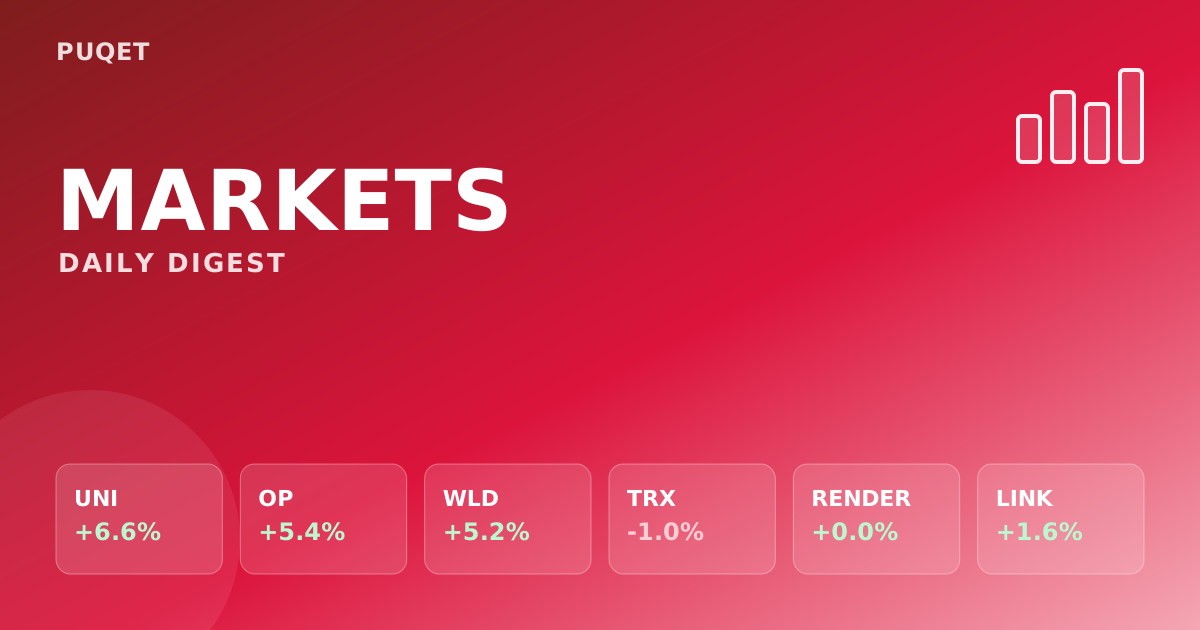
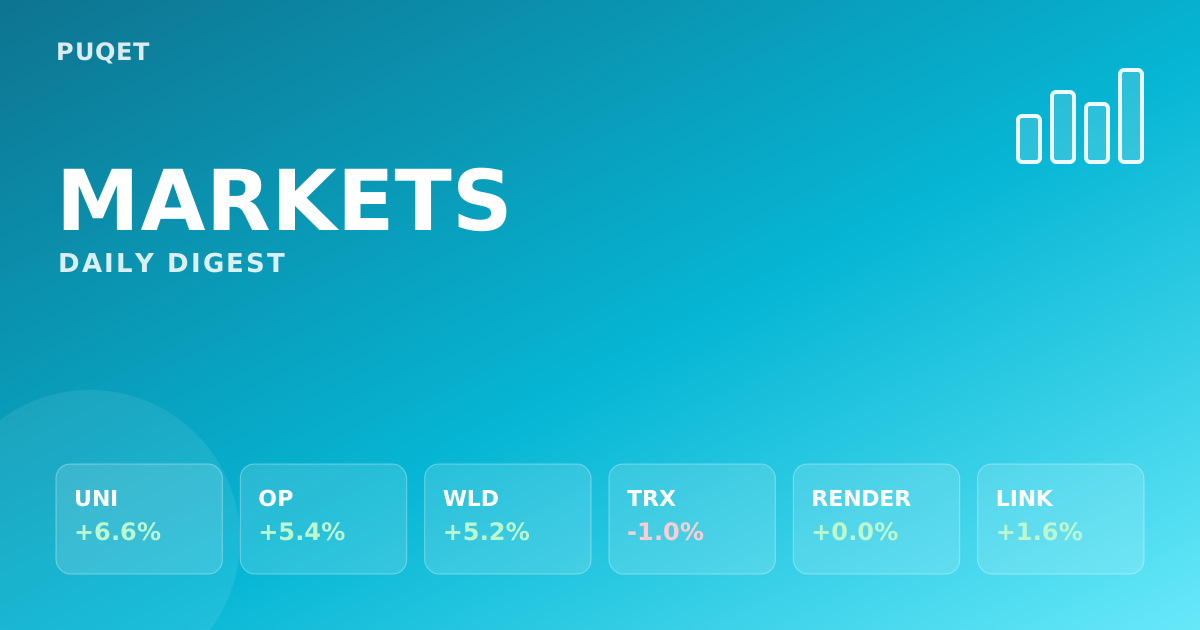
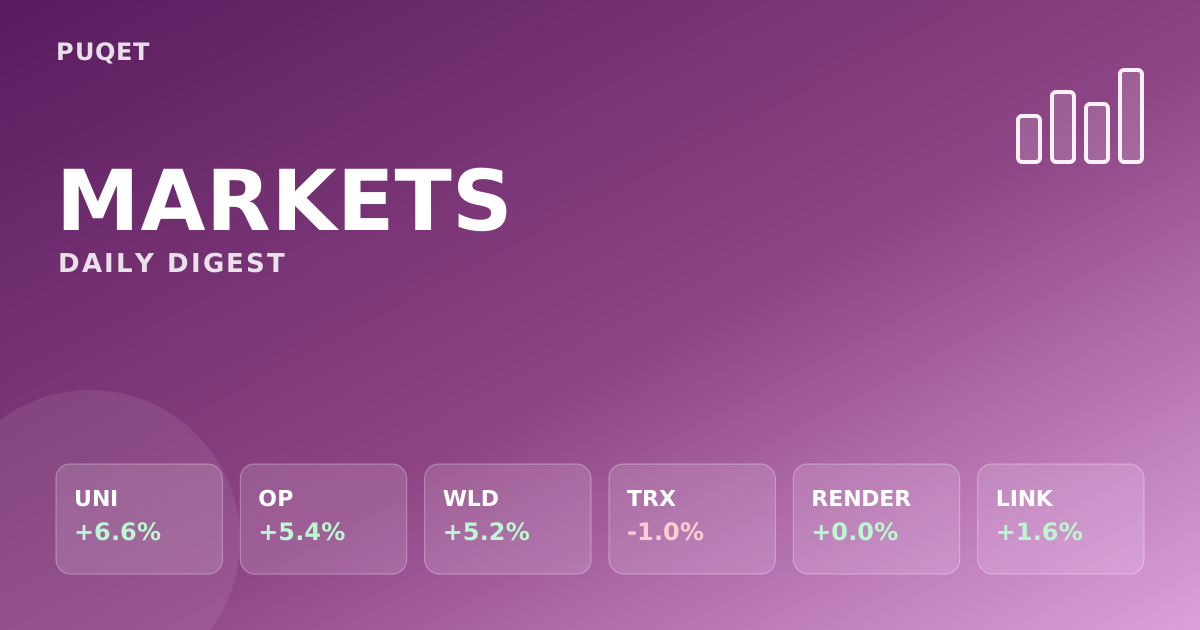
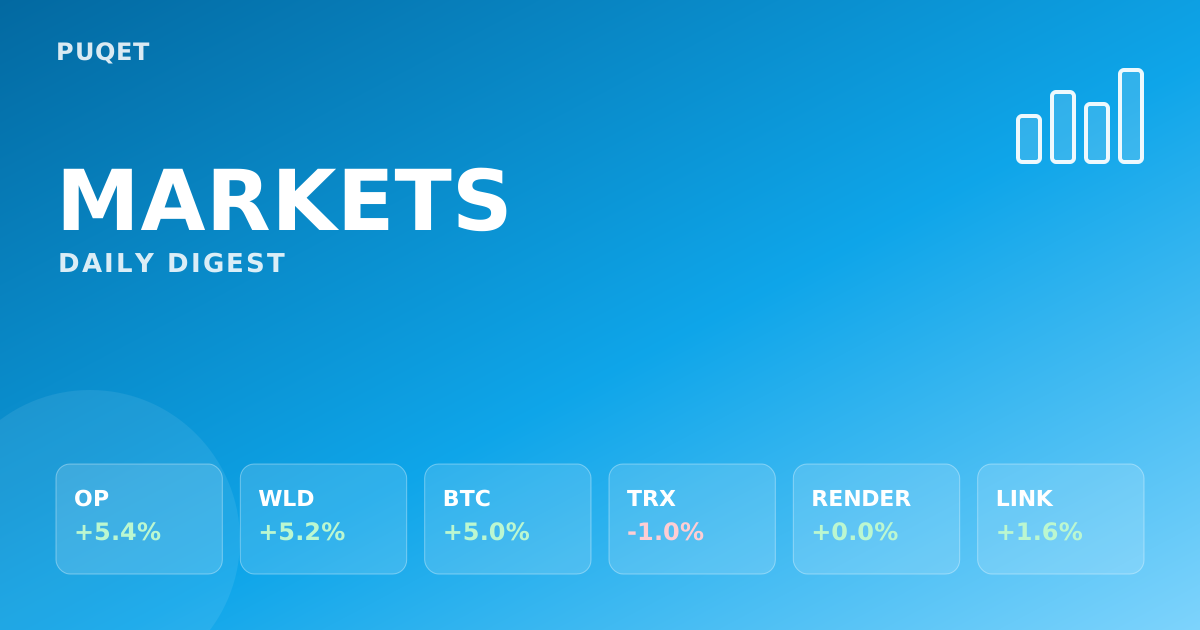
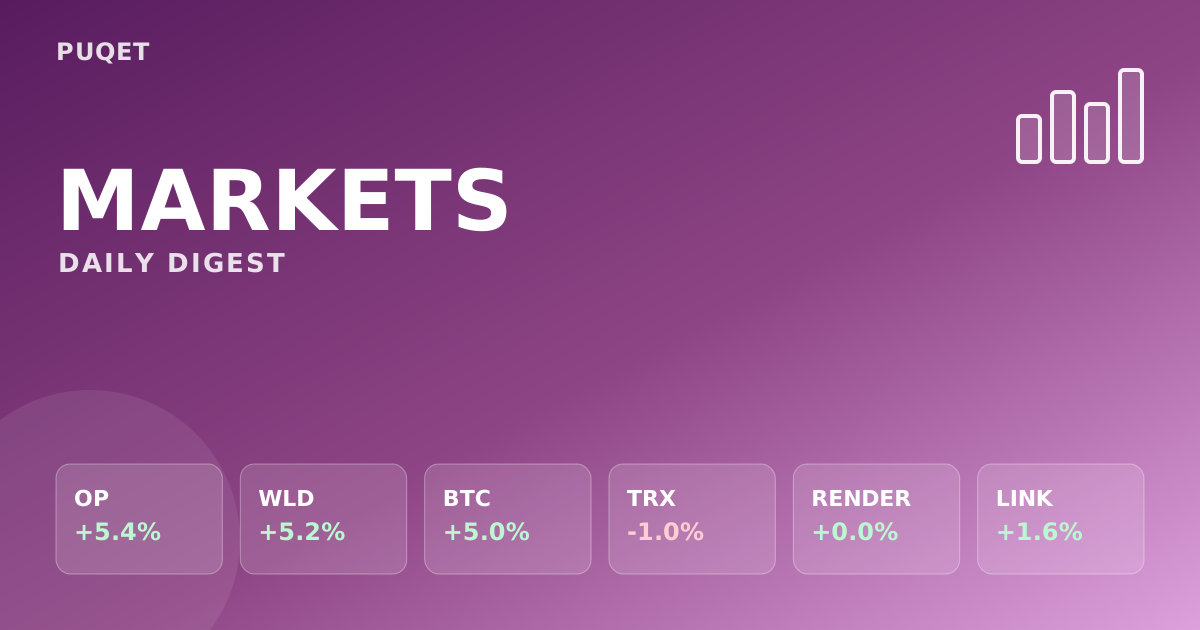
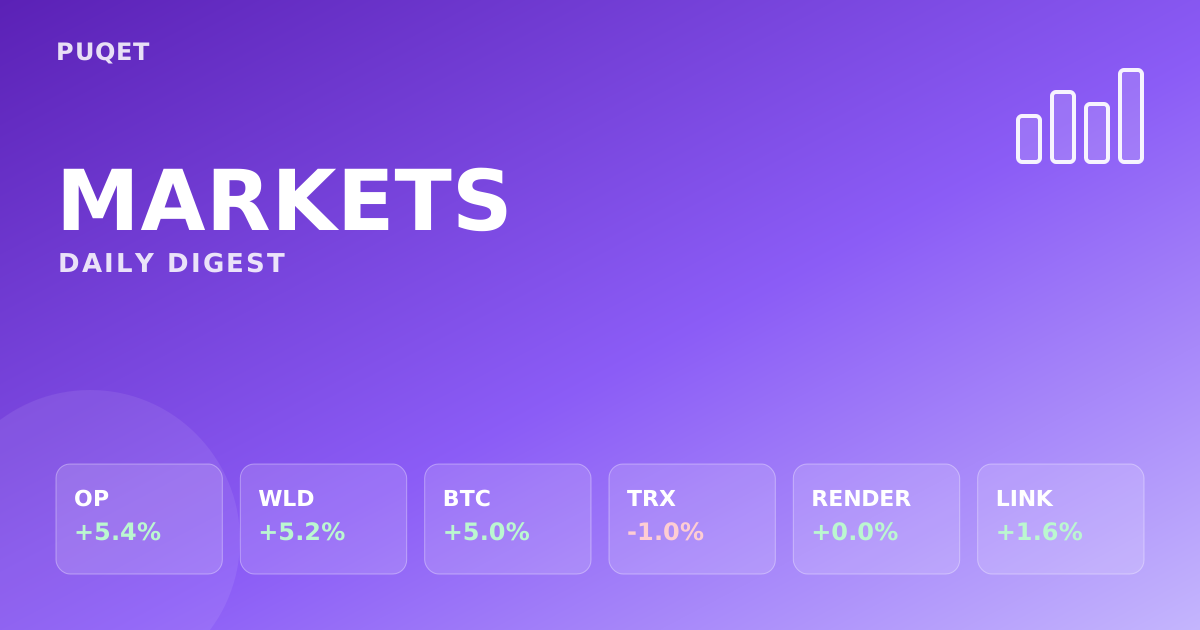
UNI leads today's movers — see the full gainers and losers breakdown.
2026-09-13
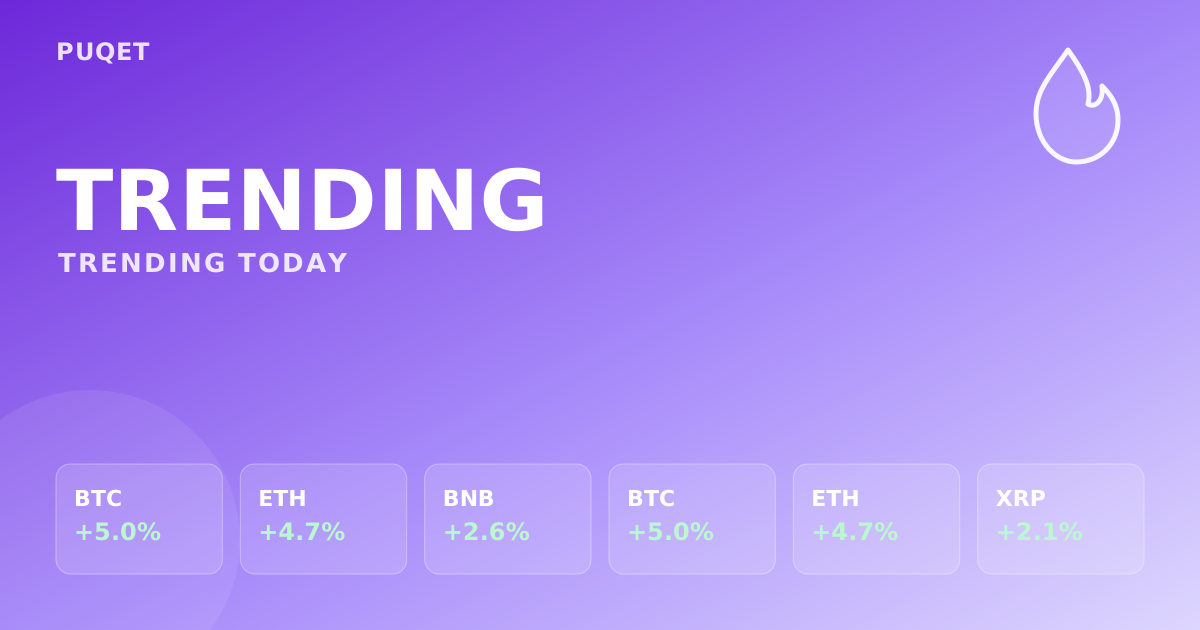
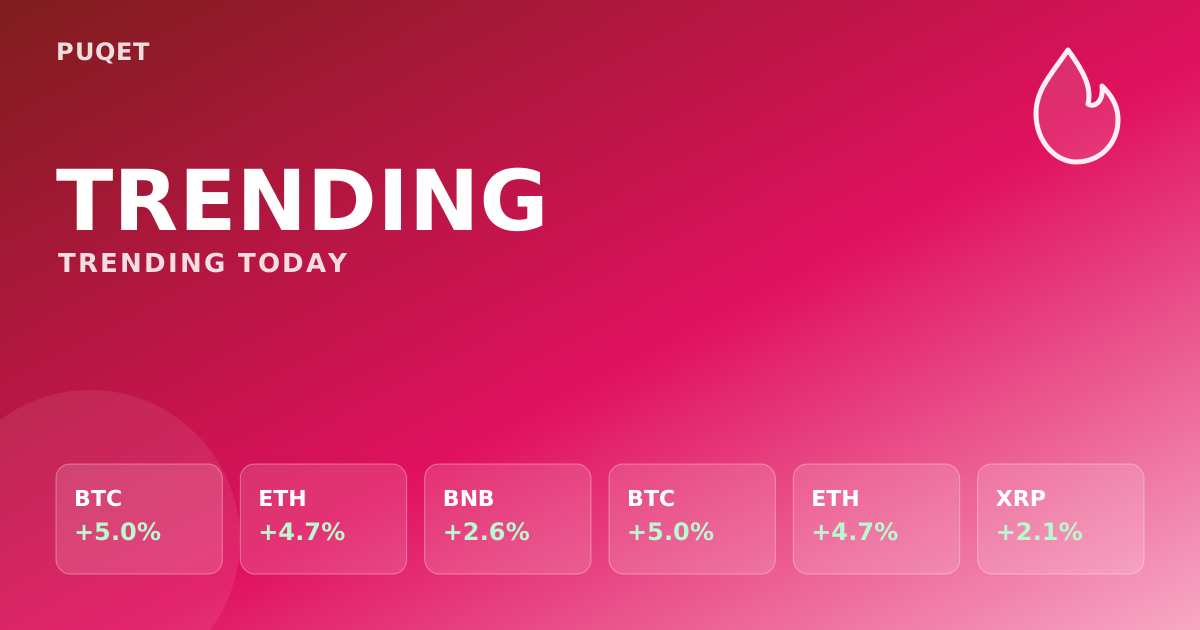
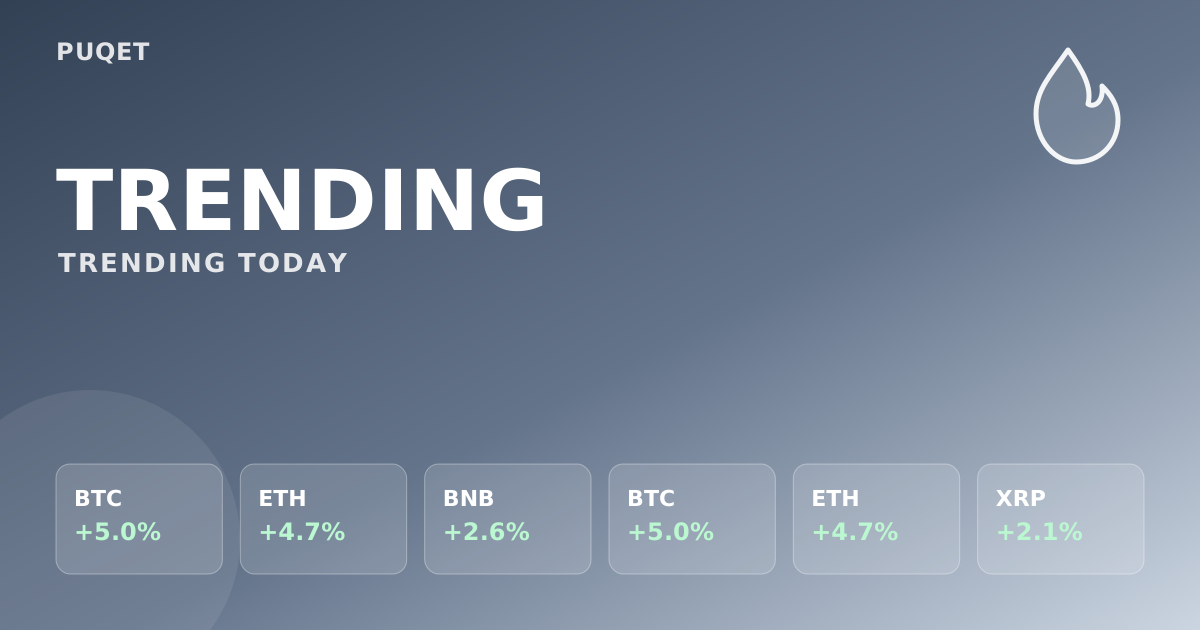
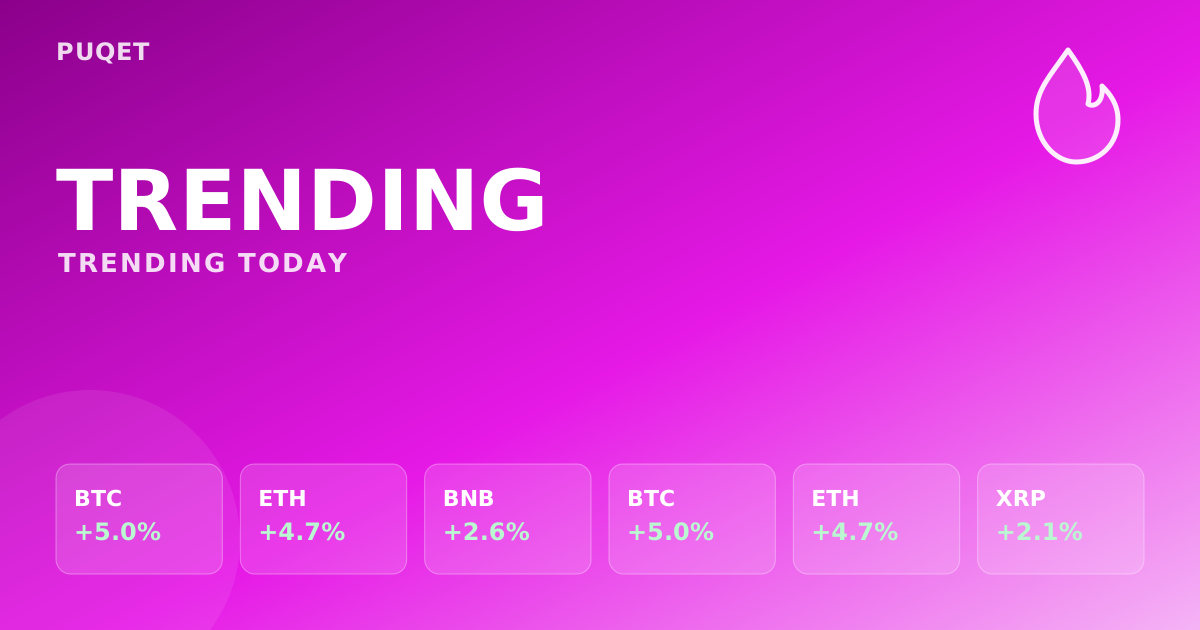
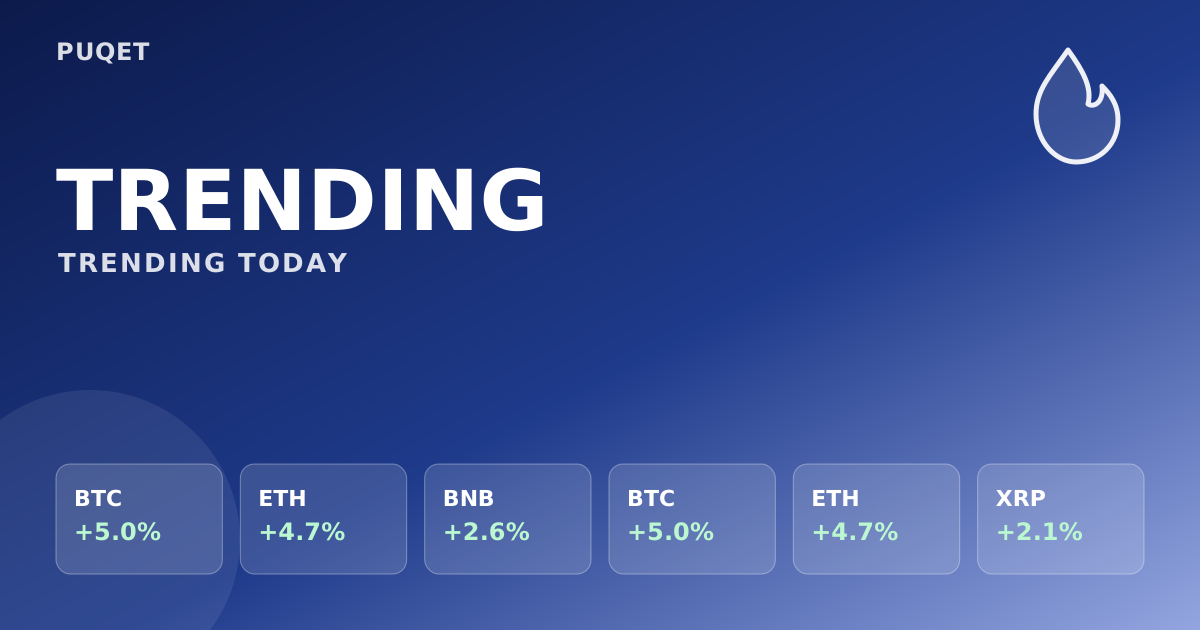
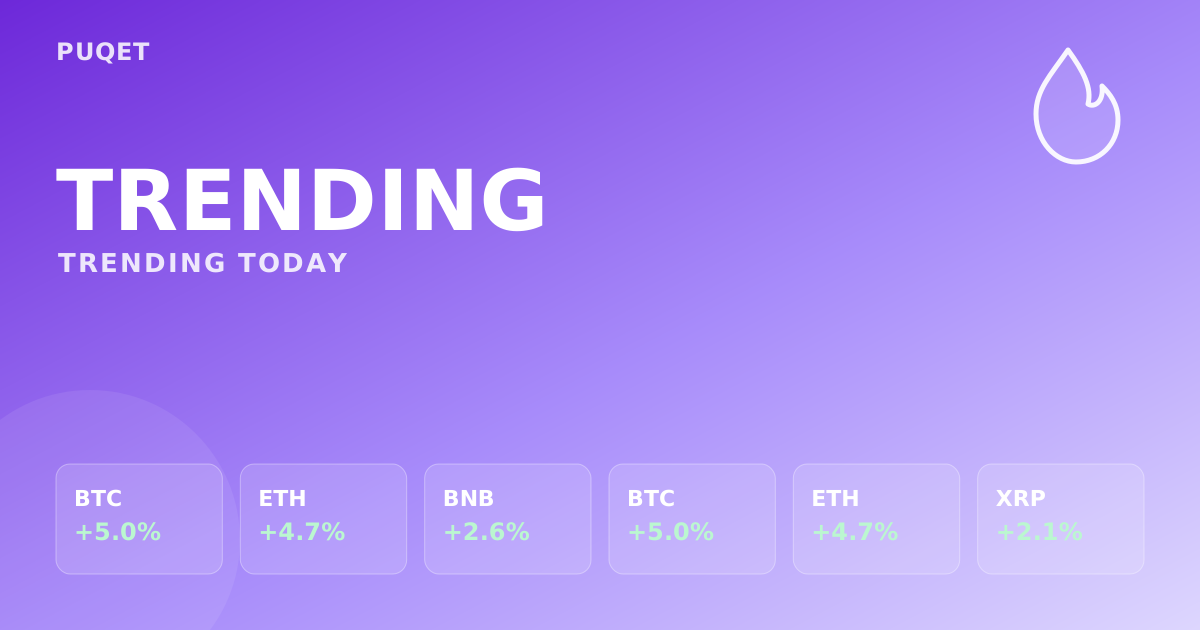
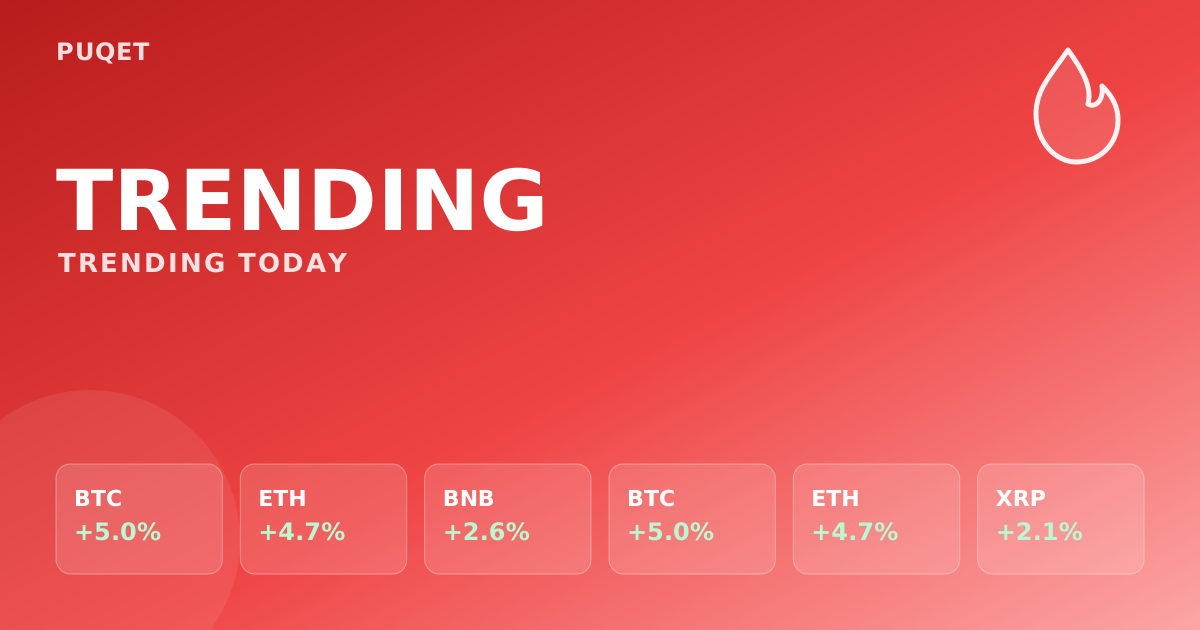
The coins getting the most attention today — hot picks and volume leaders.
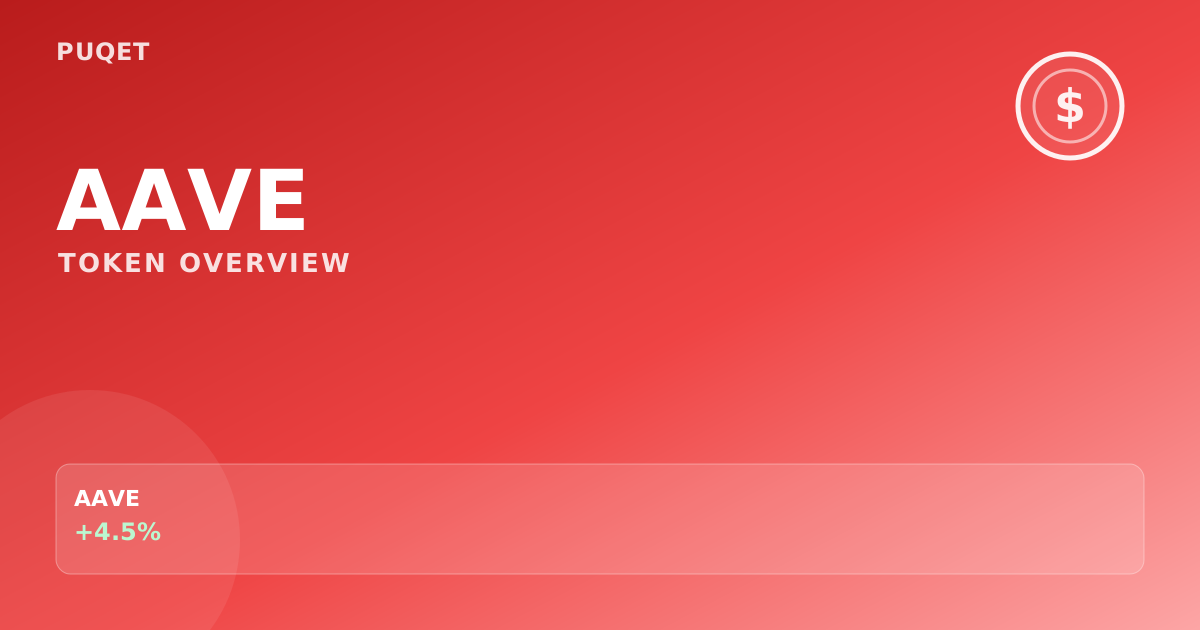
A quick overview of Aave (AAVE): current price, market cap rank, and supply data as of September 13, 2026.
Market cap and circulating supply are two of the most quoted numbers in crypto, and two of the most misunderstood. Here's what each one actually measures, how they relate to each other, and why a coin's per-unit price tells you far less than most beginners assume.
A seed phrase is a list of ordinary words that acts as the master key to a crypto wallet. Here's how those words are generated, why they can rebuild your wallet on any device, and the practical habits that keep them from falling into the wrong hands.
2026-09-12
Blockchains need a way to agree on what happened without a central authority. Proof of Work uses computing power and electricity; Proof of Stake uses locked-up coins and economic penalties. Here's how each mechanism actually works, in plain language.
Dollar-cost averaging means buying a fixed amount at regular intervals instead of all at once. Here's how the math actually works, why it smooths out your average cost, and what it can and can't do in a volatile market.
2026-09-11
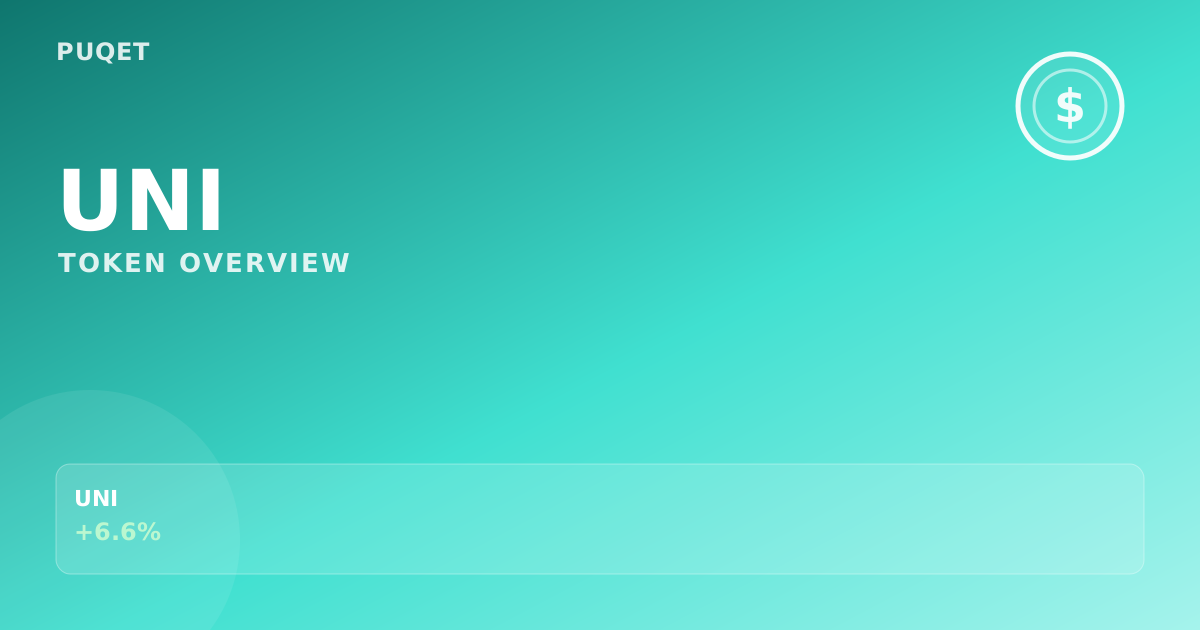
A quick overview of Uniswap (UNI): current price, market cap rank, and supply data as of September 11, 2026.
Gas fees are the cost of asking a blockchain network to do work on your behalf. Here's what you're actually paying for, why the amount changes from minute to minute, and what influences the final number you see in your wallet.
Crypto wallets don't hold coins — they hold keys. The difference between a "hot" and "cold" wallet comes down to one question: is the private key ever exposed to an internet-connected device? Here's how each type works, and how people commonly combine them.
2026-09-10
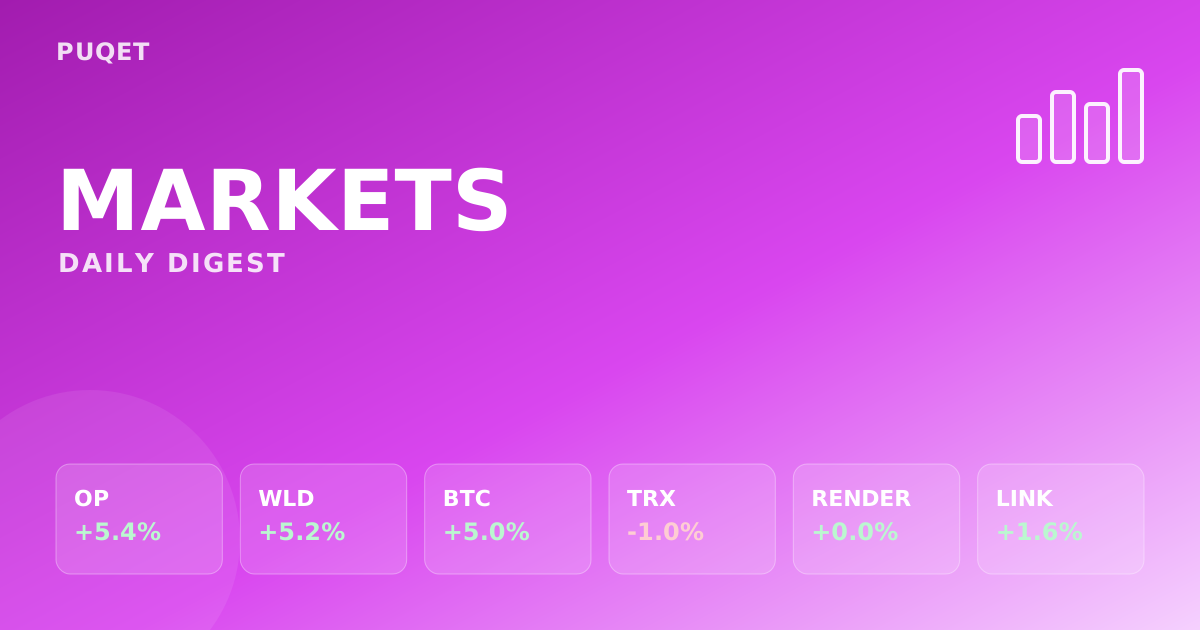
OP leads today's movers — see the full gainers and losers breakdown.
Staking lets coin holders help secure a proof-of-stake blockchain and receive newly issued rewards in return. Here's how validators, delegation, lock-up periods, and slashing actually work — and what to understand before you commit your coins.
A blockchain is a shared digital ledger that many computers maintain together, with records grouped into linked blocks. Here's how blocks, hashes, nodes, and consensus rules combine to let strangers agree on the same history without a central authority.
2026-09-09
Before putting money into any crypto project, it helps to understand what you are actually buying. Here is a plain-language walkthrough of the documents, data and design questions that let you judge a token on its mechanics rather than its marketing.
A testnet is a practice version of a blockchain where the coins are worthless on purpose. Here's how these sandbox networks work, why developers depend on them, and what newcomers should know about test tokens.
2026-09-08
A quick overview of Dogecoin (DOGE): current price, market cap rank, and supply data as of September 8, 2026.
"Owning" crypto really means controlling the private key that authorizes transactions. Here's a plain-language look at custodial and self-custody arrangements, how each one actually works under the hood, and the practical trade-offs between them.
Providing liquidity to an automated market maker can earn trading fees, but it also exposes you to a quirk of pool math called impermanent loss. Here's what it actually is, why it happens, and when it becomes permanent.
2026-09-07
The coins with the most market momentum this week — a starting point for your own research, not an airdrop claim.