Guides, market digests and plain-language lessons on crypto, forex and gold.
Candlestick charts pack four pieces of price data into a single shape. Here's how to read the body, the wicks, the colors, and the time frame — and what those shapes can and can't tell you about a market.
2026-09-07
Burning a token means permanently removing it from circulation, usually by sending it to an address nobody can spend from. Here's how burns actually work on-chain, the different reasons projects use them, and what a shrinking supply does and doesn't tell you.
2026-09-06
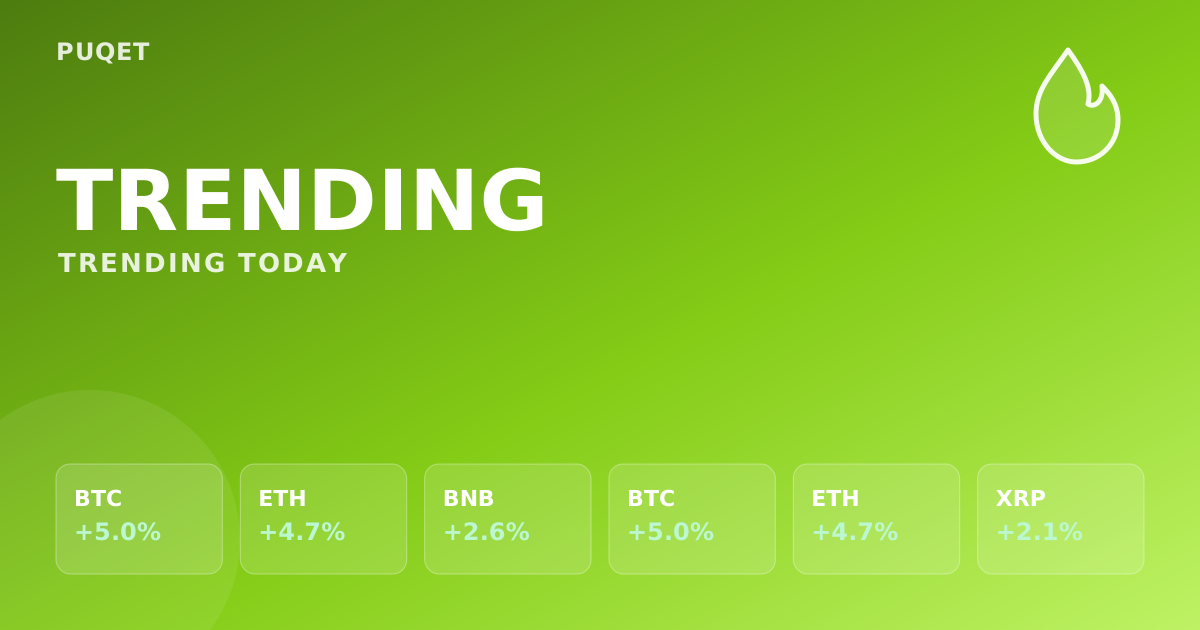
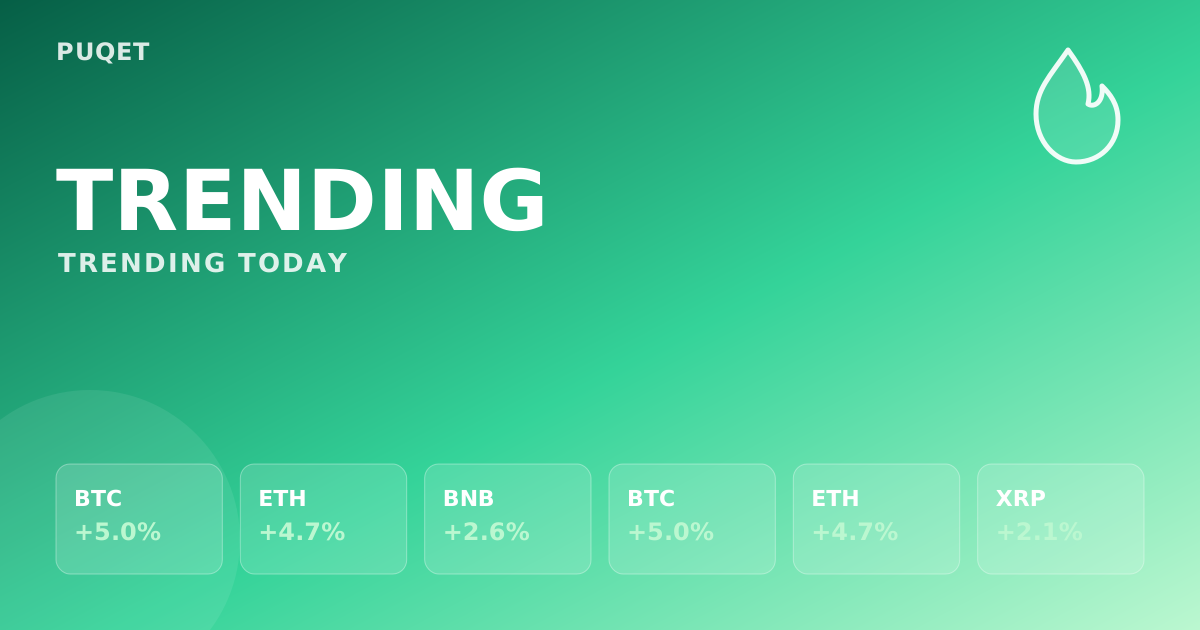
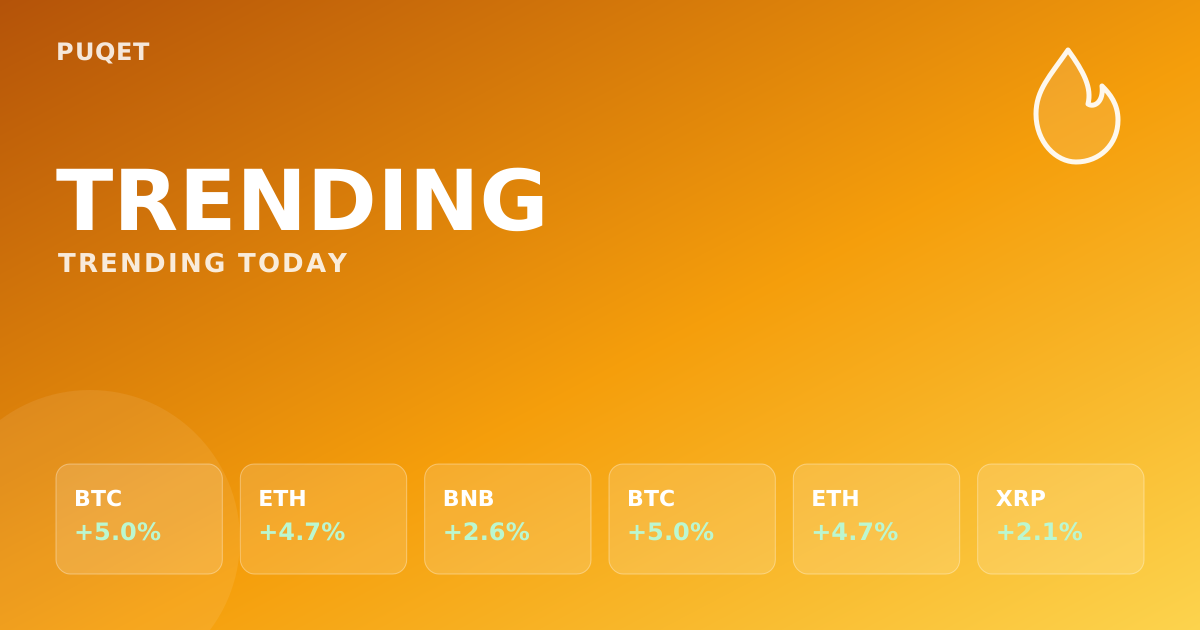
The coins getting the most attention today — hot picks and volume leaders.
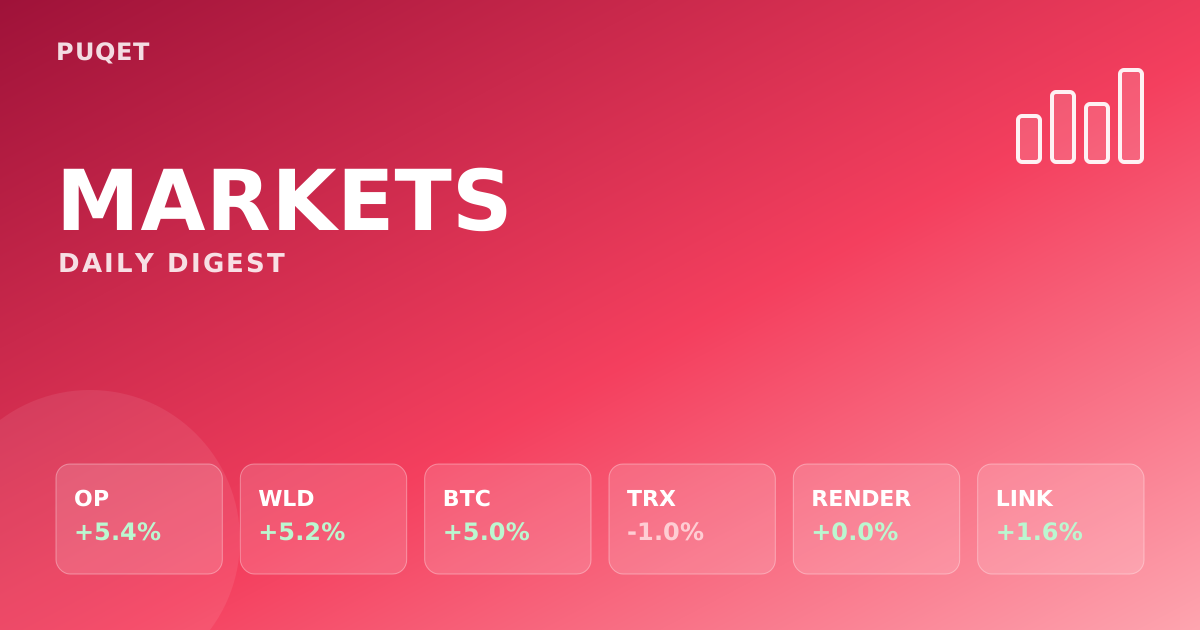
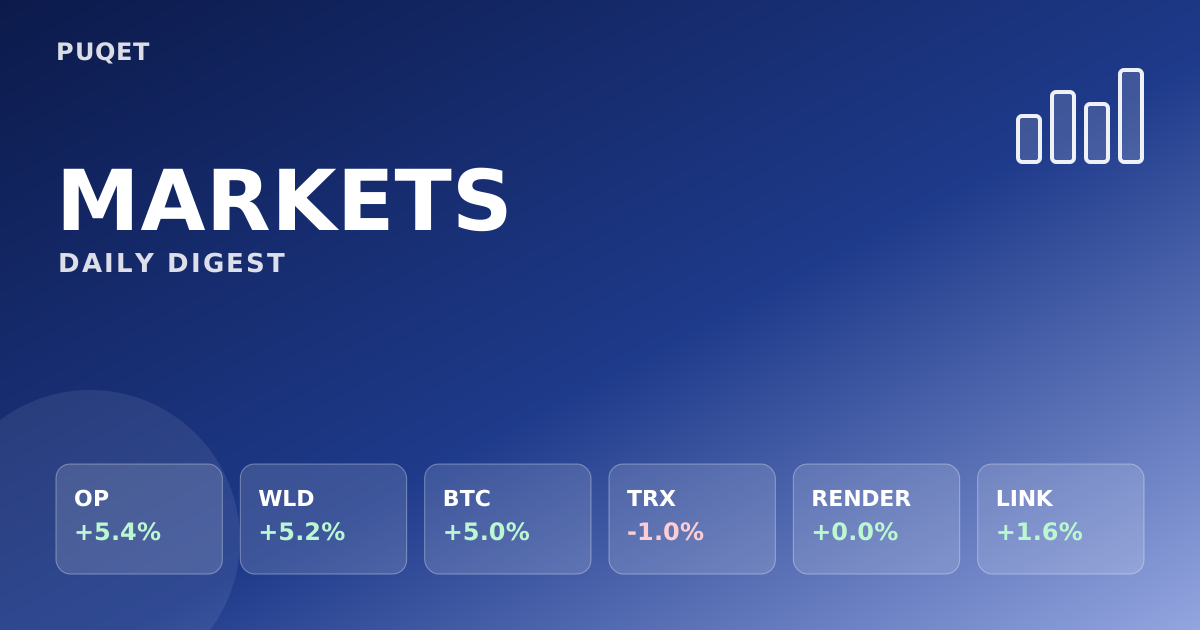
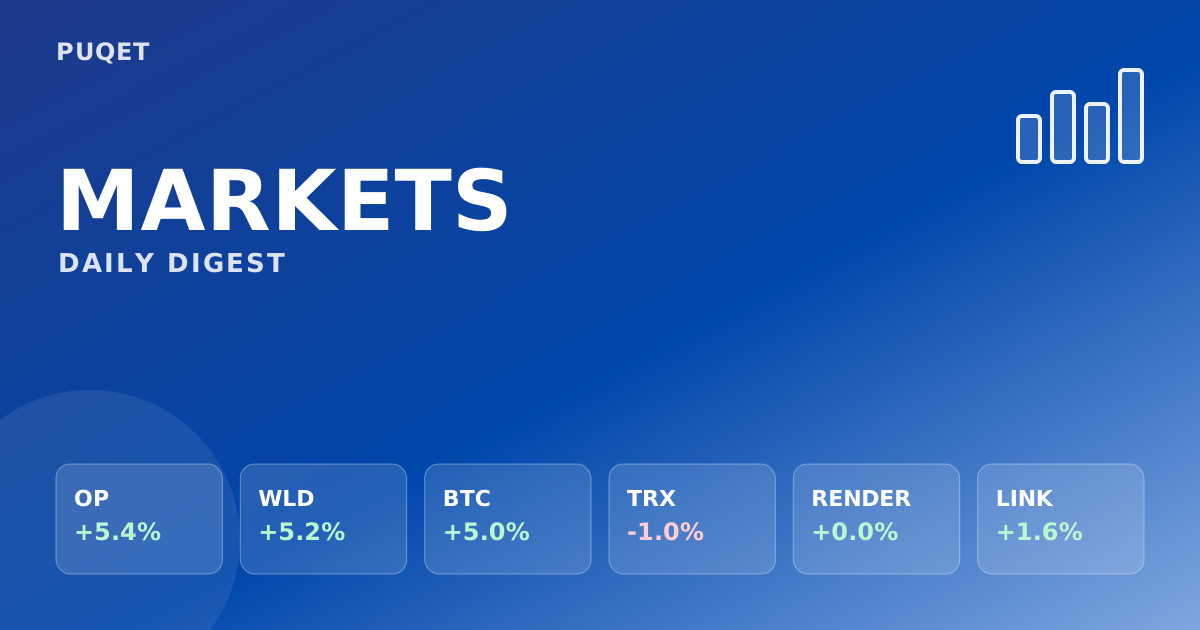
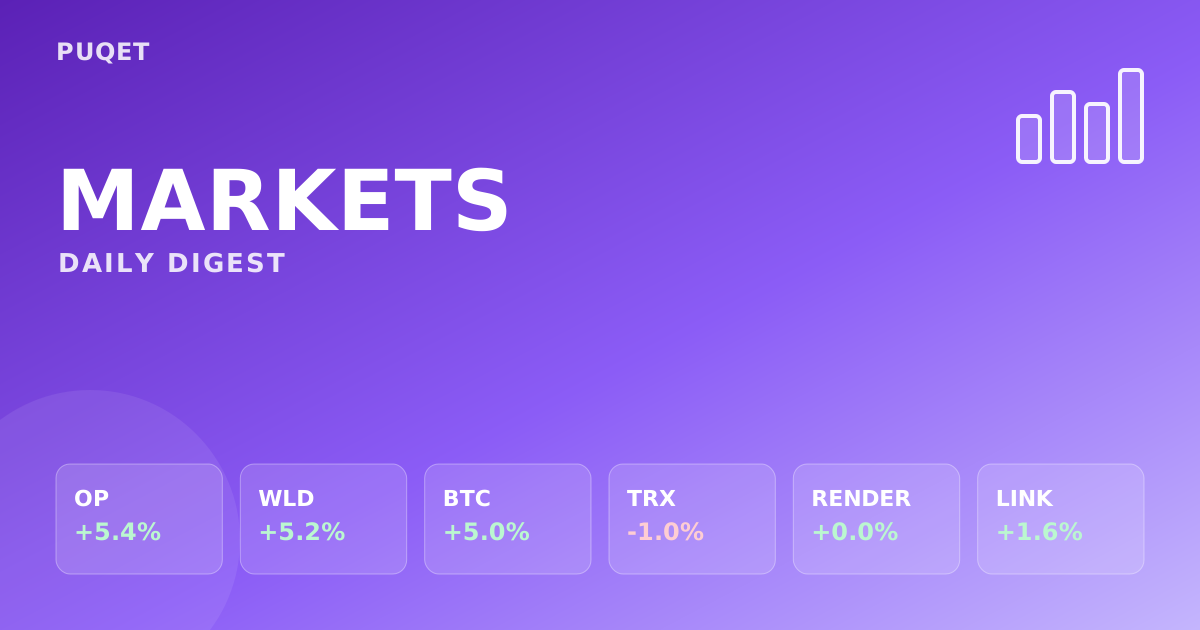
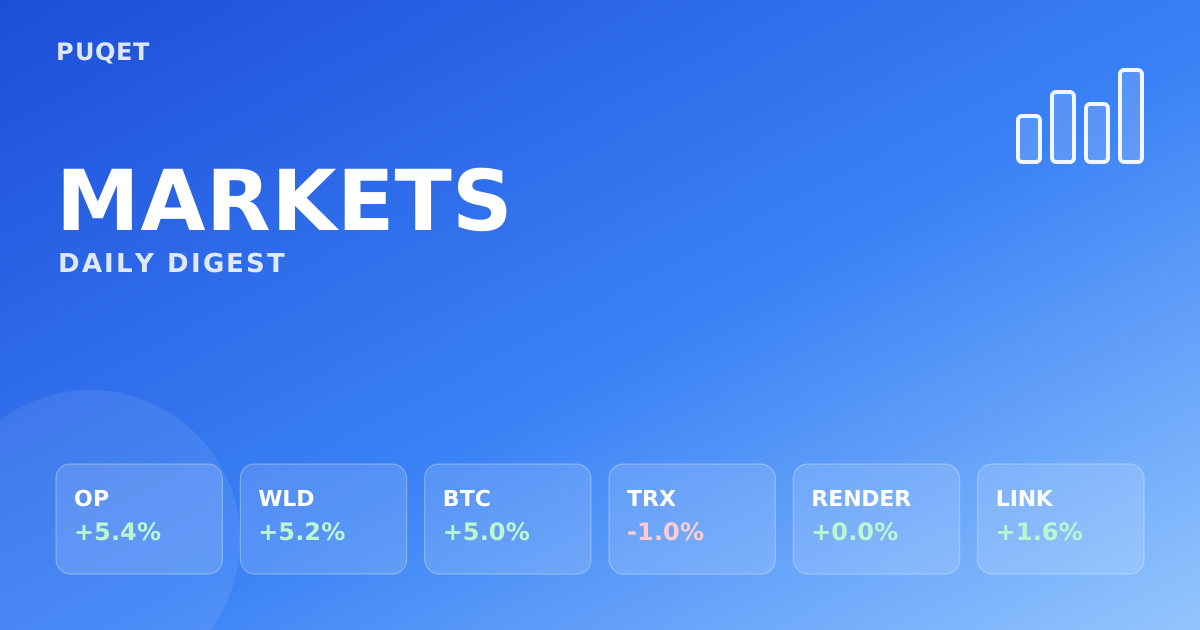
OP leads today's movers — see the full gainers and losers breakdown.
Altcoin prices often rise and fall alongside Bitcoin. Here's a plain-language look at what correlation actually measures, the market mechanics that create it, and why it shifts over time.
A rug pull is a scam where the people behind a token drain its value and disappear. Learn the common mechanics — liquidity removal, hidden minting, and sell-blocking code — and the warning signs that show up on-chain before it happens.
2026-09-05
Mining is often described as "solving complex math problems," but what's really happening is a massive guessing game. Here's a plain-language look at how proof of work turns electricity into blockchain security, and why the puzzle has no shortcuts.
Blockchains can't natively talk to each other, so bridges were built to move value between them. Here's how lock-and-mint, burn-and-release, and liquidity-pool bridges actually work under the hood — and why bridging carries risks that ordinary on-chain transfers don't.
2026-09-04
Crypto markets tend to move in long swings of optimism and pessimism rather than straight lines. Here's a plain-language look at what bull and bear phases actually are, what drives them, and why the language of cycles can be more useful than it is predictive.
A blockchain explorer is a search engine for public ledger data, letting anyone look up transactions, addresses, and blocks. Here's what the key fields mean — confirmations, fees, block height — and how to read them without guesswork.
A crypto wallet doesn't really hold coins — it holds keys. Understanding who controls those keys is the single biggest difference between custodial and non-custodial wallets, and it shapes how you access, recover, and secure your funds.
Tokenomics is the study of how a crypto token's supply, distribution, and incentives are designed. Learn the core mechanics — issuance schedules, vesting, burns, and utility — and why they shape a network's long-term behavior.
2026-09-03
Every trade on an exchange happens inside an order book — a live list of who wants to buy and who wants to sell. Understanding how market and limit orders interact with that list is one of the most useful things a new trader can learn.
Slippage is the gap between the price you expect when you place a trade and the price you actually get when it fills. Here's why it happens, how order books and liquidity pools create it, and what traders can do to keep it in check.
Airdrops distribute free tokens to wallet addresses, usually based on a snapshot of past on-chain activity. Here's what happens behind the scenes — from eligibility criteria and Merkle-tree claim contracts to why so many fake airdrops exist.
A DAO is a group that coordinates through smart contracts instead of a corporate hierarchy. Members hold governance tokens, submit proposals, and vote on-chain, with results executed automatically by code. Here's how that actually works — and where the limits are.
2026-09-02
Crypto tax rules vary widely by country, but the underlying concepts are surprisingly consistent: what counts as a disposal, how cost basis works, and why record keeping matters. Here's a plain-language look at the mechanics.
A fork happens when a blockchain's rules or its transaction history split into more than one path. Here's how hard forks and soft forks differ, why they happen, and what they mean for the coins in your wallet.
Crypto scams rely on a handful of repeatable tricks: fake giveaways, impersonation, romance-style investment schemes, malicious token approvals, and phishing sites. Here's how each one actually works, and the habits that make them much harder to pull off.
2026-09-01
A whitepaper is the document a crypto project uses to explain what it's building, how the technology works, and how its token fits in. Here's what's usually inside one, how to read it critically, and what it can and can't tell you.
Volume and liquidity are two of the most useful numbers on any trading screen, and they measure different things. Here's how order books, spreads, market depth and slippage fit together — and why a busy market behaves very differently from a quiet one.
Yield farming is the practice of putting crypto to work inside decentralized finance protocols to earn rewards. Here's a plain-language look at where those rewards come from, the mechanics behind liquidity pools and reward tokens, and the risks involved.