Guides, market digests and plain-language lessons on crypto, forex and gold.
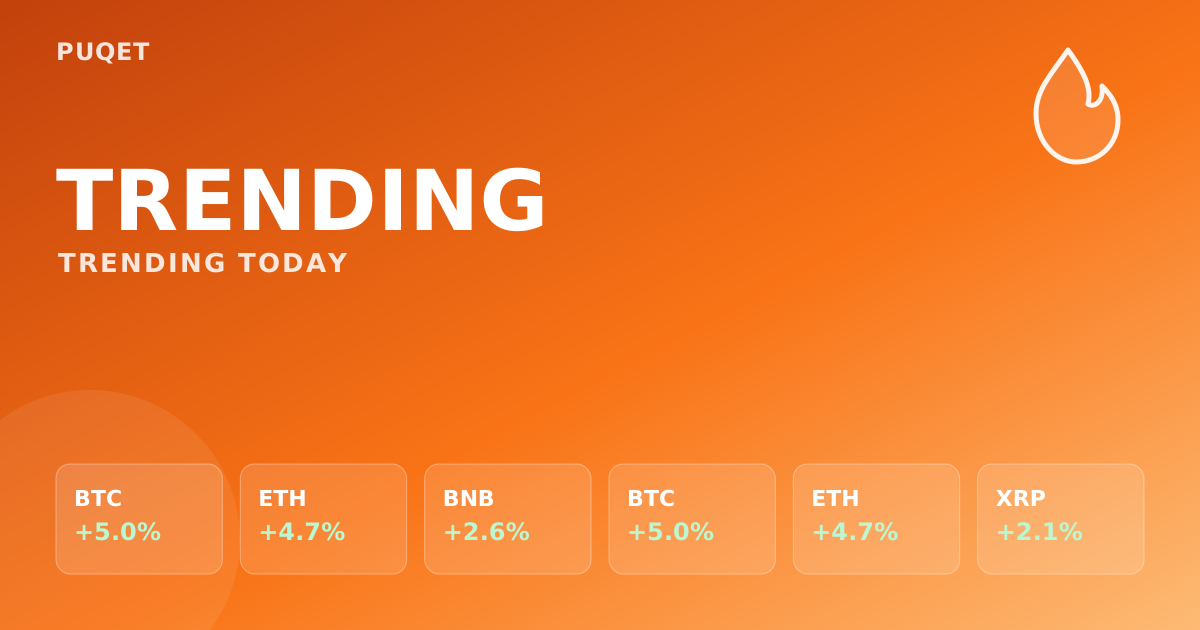
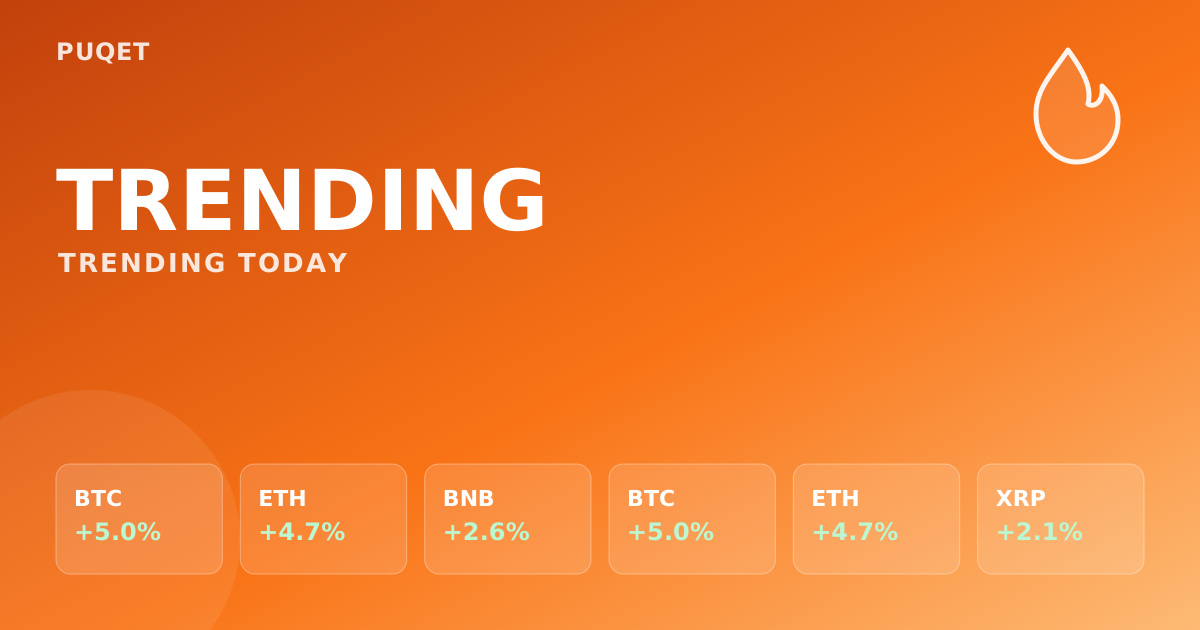
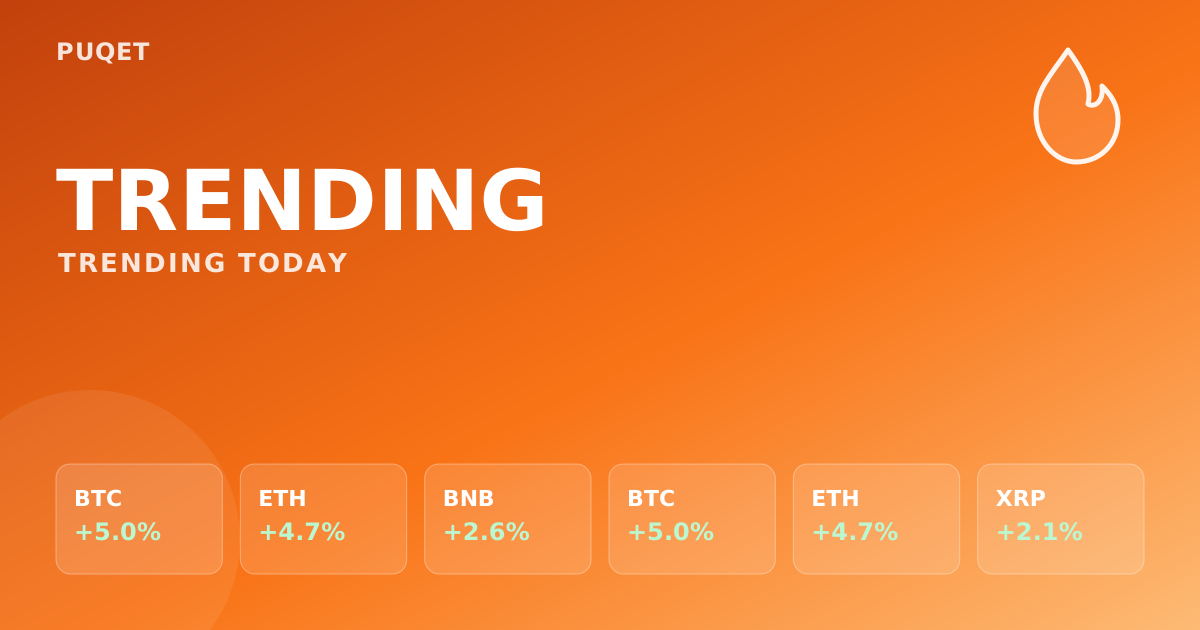
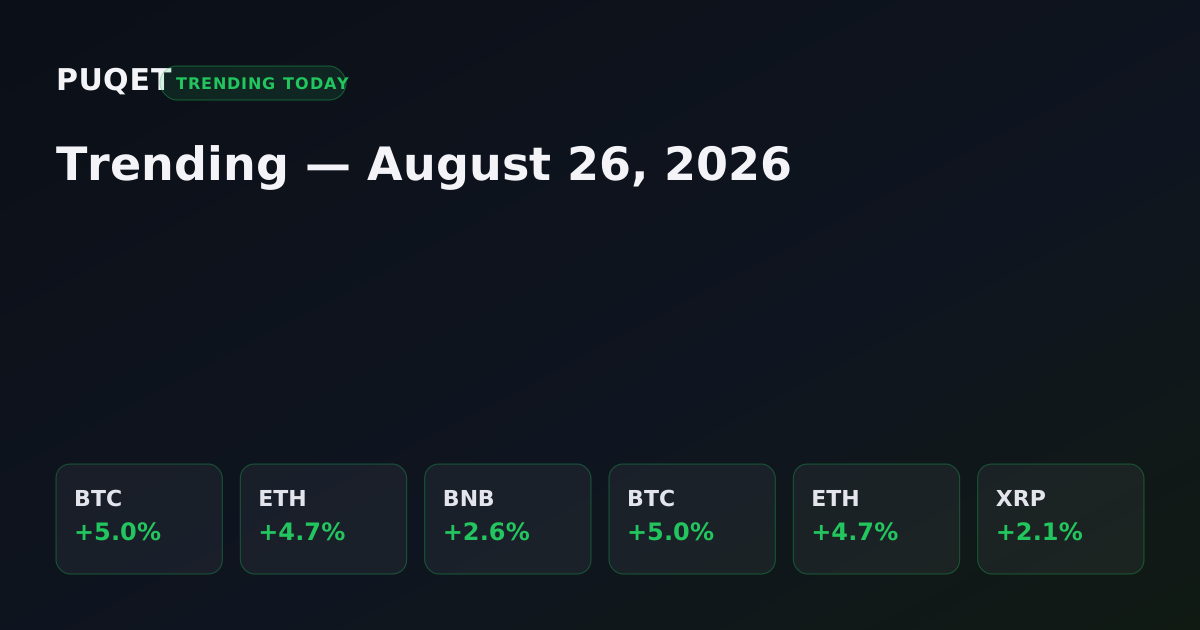
The coins getting the most attention today — hot picks and volume leaders.
2026-09-01
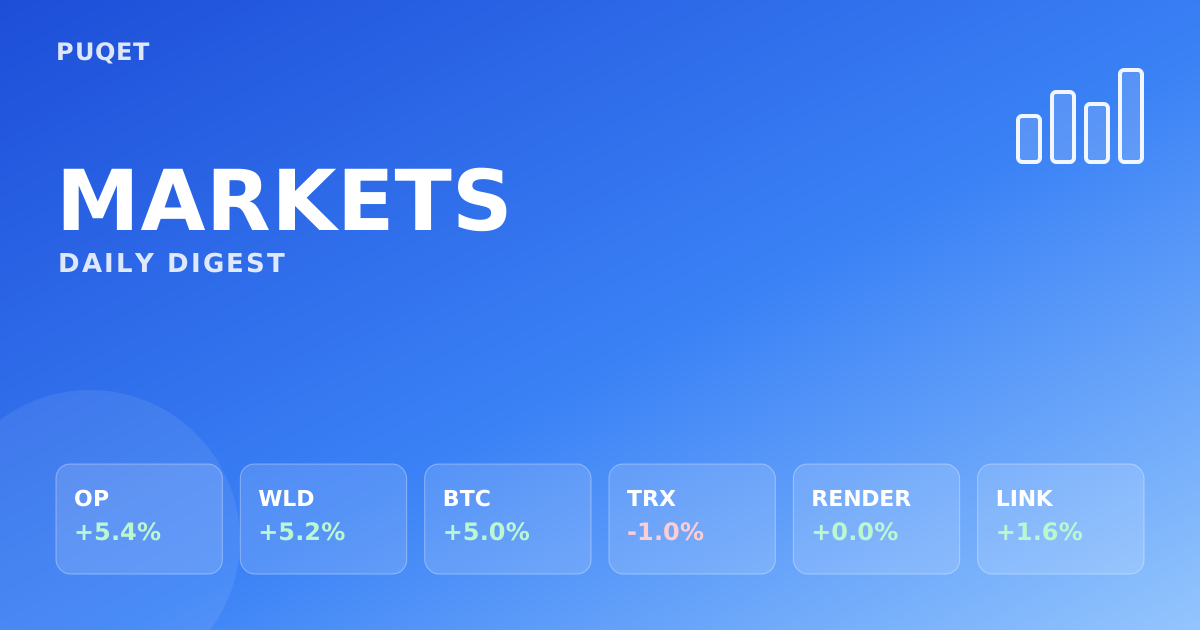
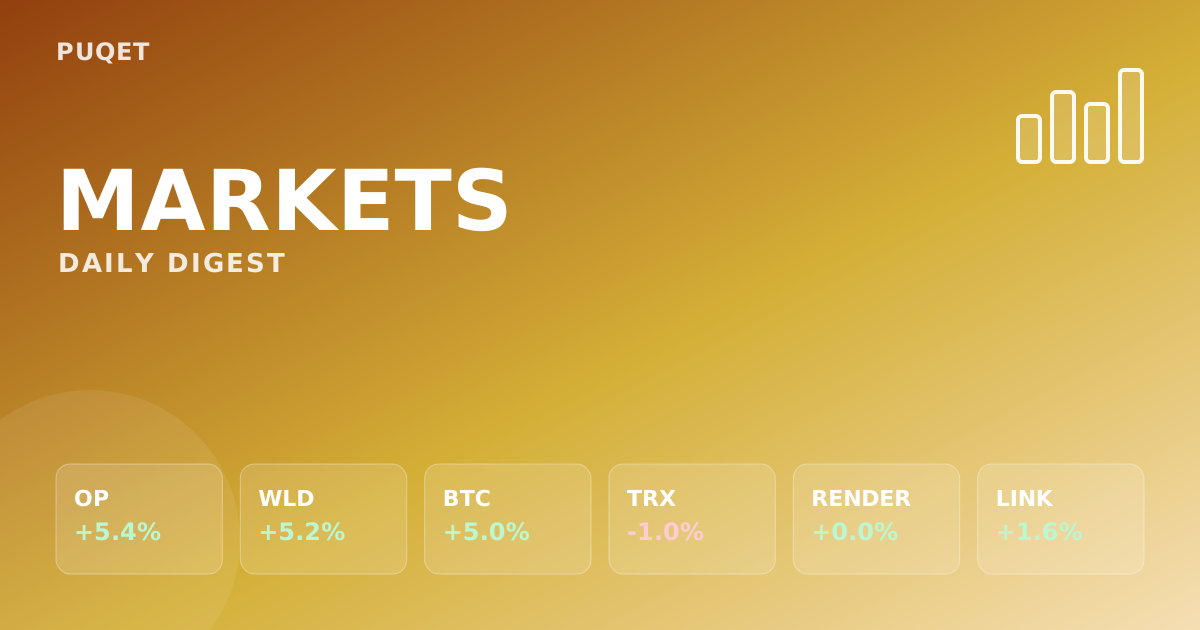
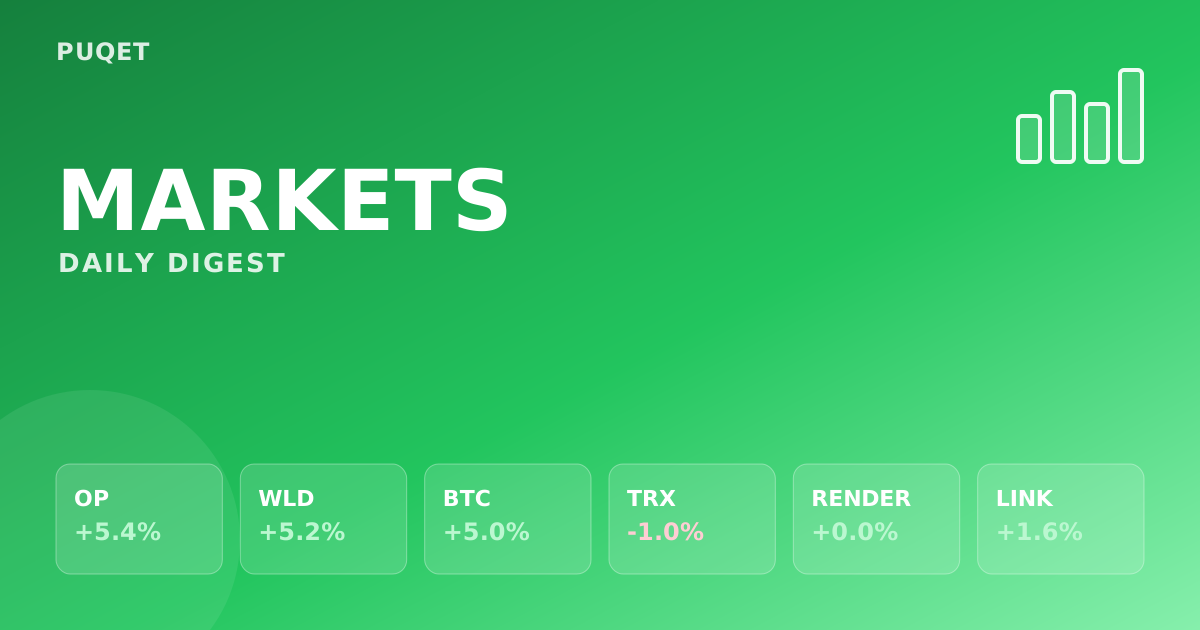
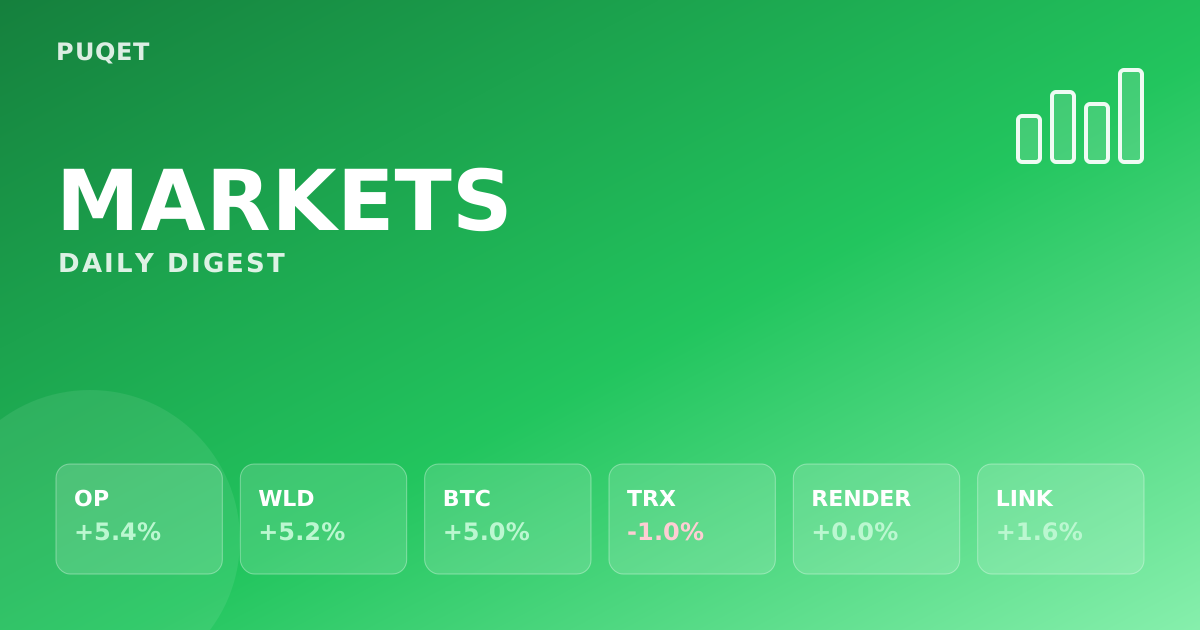
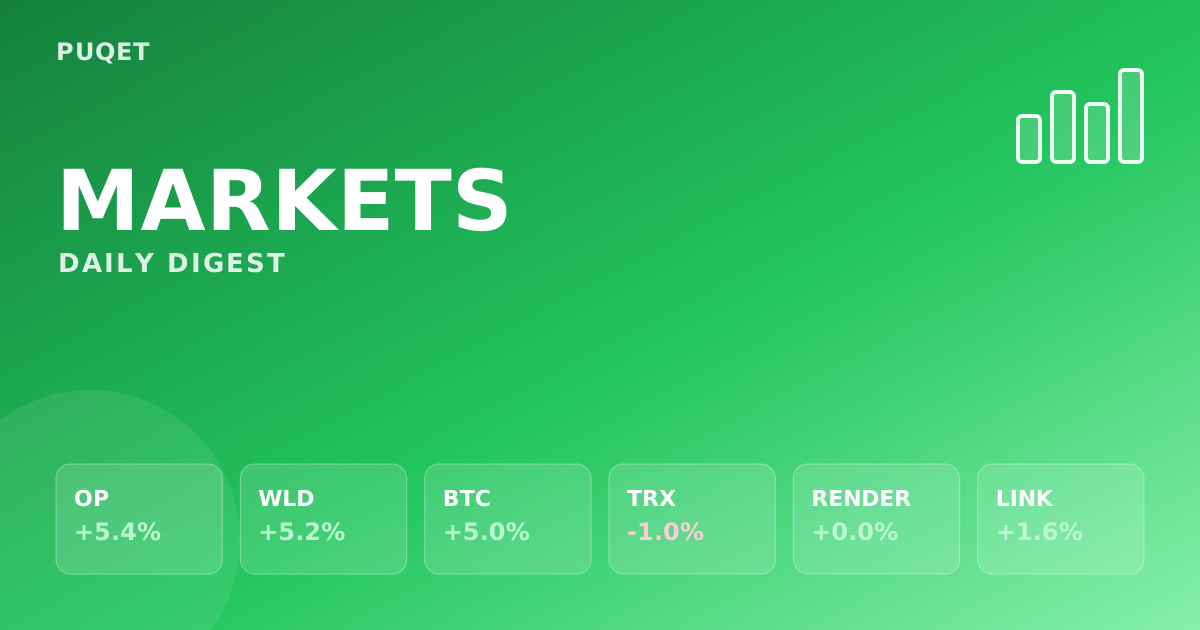
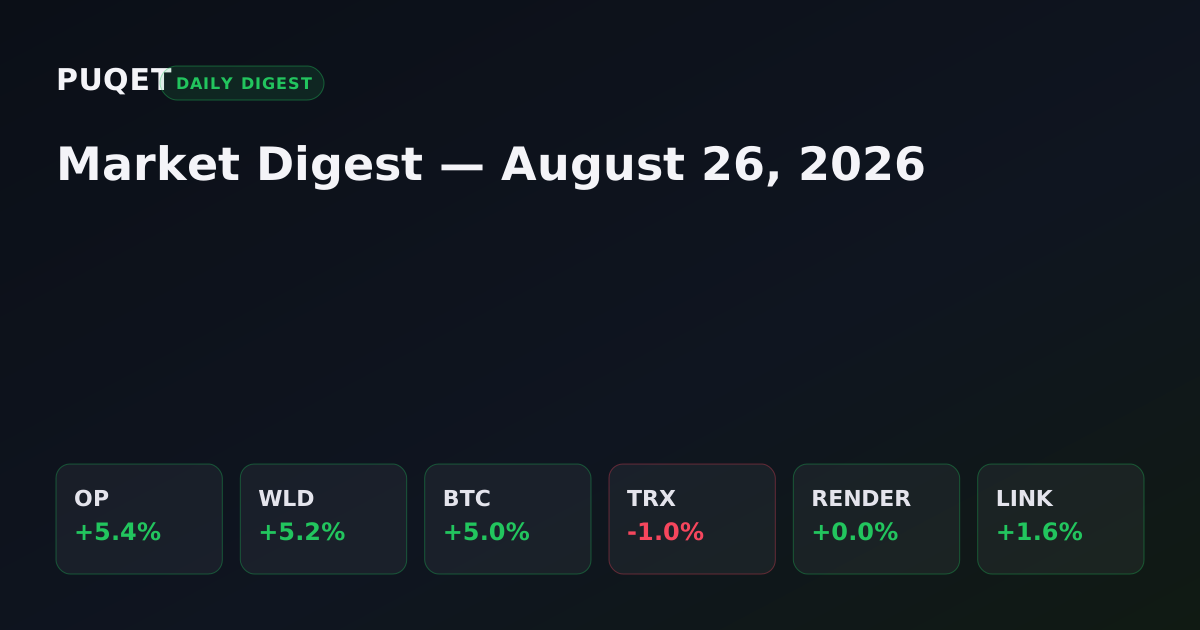
OP leads today's movers — see the full gainers and losers breakdown.
Blockchains face a hard limit on how many transactions they can process. Layer 1 upgrades change the base network itself, while Layer 2 systems move activity off-chain and settle back to it. Here's how both approaches work, in plain language.
2026-08-31
A smart contract is a program stored on a blockchain that runs exactly as written when its conditions are met. Here's a plain-language look at how they work, what gas fees pay for, and where their real limits lie.
A crypto wallet doesn't actually hold your coins. It holds the cryptographic keys that prove you control them. Here's a plain-language look at private keys, seed phrases, addresses, and what really happens when you hit "send."
The coins with the most market momentum this week — a starting point for your own research, not an airdrop claim.
DeFi replaces banks and brokers with self-executing code on public blockchains. Here's a plain-language look at how lending pools, decentralized exchanges, and stablecoins actually work — and the real risks that come with them.
Volatility describes how sharply an asset's price moves over time — and crypto markets are known for it. Here's a plain-language look at why prices swing, how volatility is measured, and the mechanics traders use to define and limit their exposure.
2026-08-30
NFTs are often described as digital art, but underneath they're just entries on a blockchain that prove one token is distinct from every other. Here's how non-fungible tokens actually work, what they do and don't store, and where the technology is used beyond collectibles.
Centralized and decentralized exchanges both let you trade crypto, but they handle custody, matching, and settlement in fundamentally different ways. Here's how each model actually works, and the practical trade-offs that come with it.
Stablecoins are crypto tokens designed to hold a steady value by tracking an outside reference like a national currency. Here's a plain-language look at how the peg is maintained, the main collateral models, and where the risks actually sit.
2026-08-29
Market cap and circulating supply are two of the most quoted numbers in crypto — and two of the most misunderstood. Here's what each one actually measures, how they relate, and why a low token price doesn't mean a coin is "cheap."
A seed phrase is the master key to a crypto wallet — a short list of ordinary words that can regenerate every private key it holds. Here's how that works, and the habits that keep those words out of the wrong hands.
Every blockchain needs a way to agree on who gets to add the next block. Proof of work uses computing power and electricity; proof of stake uses locked-up coins and economic penalties. Here's how each one actually works, and how they compare.
Dollar-cost averaging spreads purchases across time instead of committing everything at once. Here's how the mechanic works, why it changes your average entry price, and what it can and can't do in volatile crypto markets.
Gas fees are the payments that keep blockchains running — compensation for the computers that process and secure your transaction. Here's what gas actually measures, why the cost swings from moment to moment, and what you can control when you send funds.
A blockchain is a shared digital record that many computers keep copies of at once. Here's how blocks, hashes, and consensus work together to let strangers agree on the same history without a central authority in charge.
2026-08-28
2026-08-27
Custody decides who really controls your crypto — the exchange holding it for you, or you holding your own keys. Here's what each model actually means, and why the difference matters more than most people realize.
2026-08-26