Guides, market digests and plain-language lessons on crypto, forex and gold.
Providing tokens to an automated market maker can leave you with a different mix of assets than you deposited. Here's a plain-language look at why that happens, what "impermanent loss" actually measures, and why the word "impermanent" can be misleading.
2026-09-28
Candlestick charts pack four pieces of price data into a single shape. Here's how to read the body, the wicks, the colors, and the timeframe — and what those shapes actually tell you about buyer and seller behavior.
2026-09-27
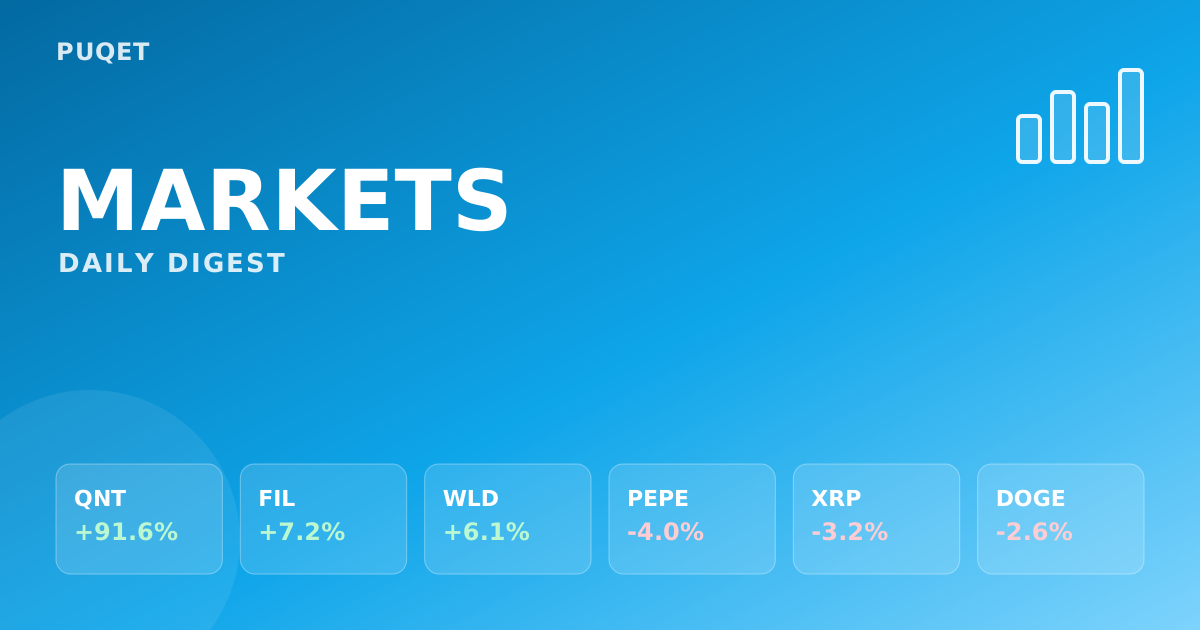
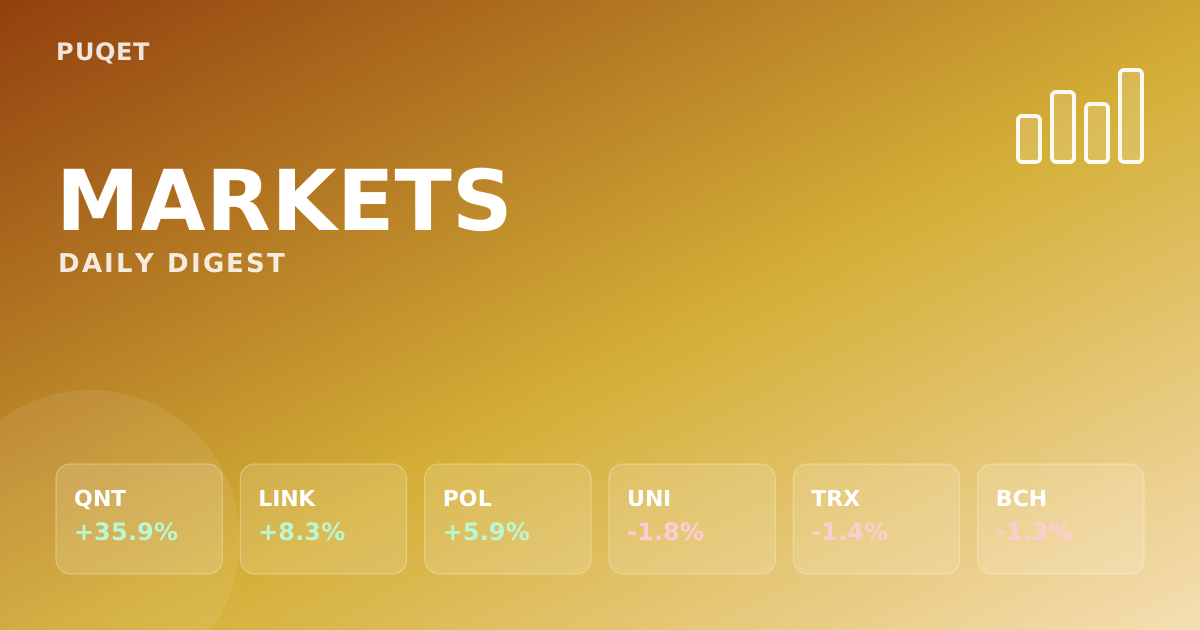
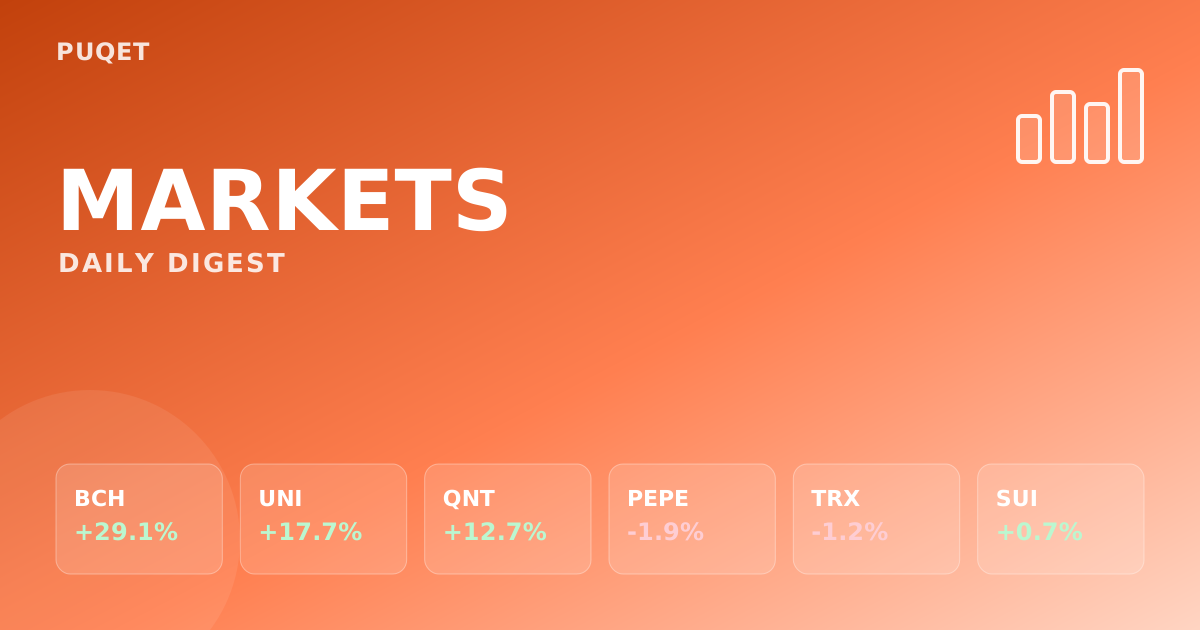
QNT leads today's movers — see the full gainers and losers breakdown.
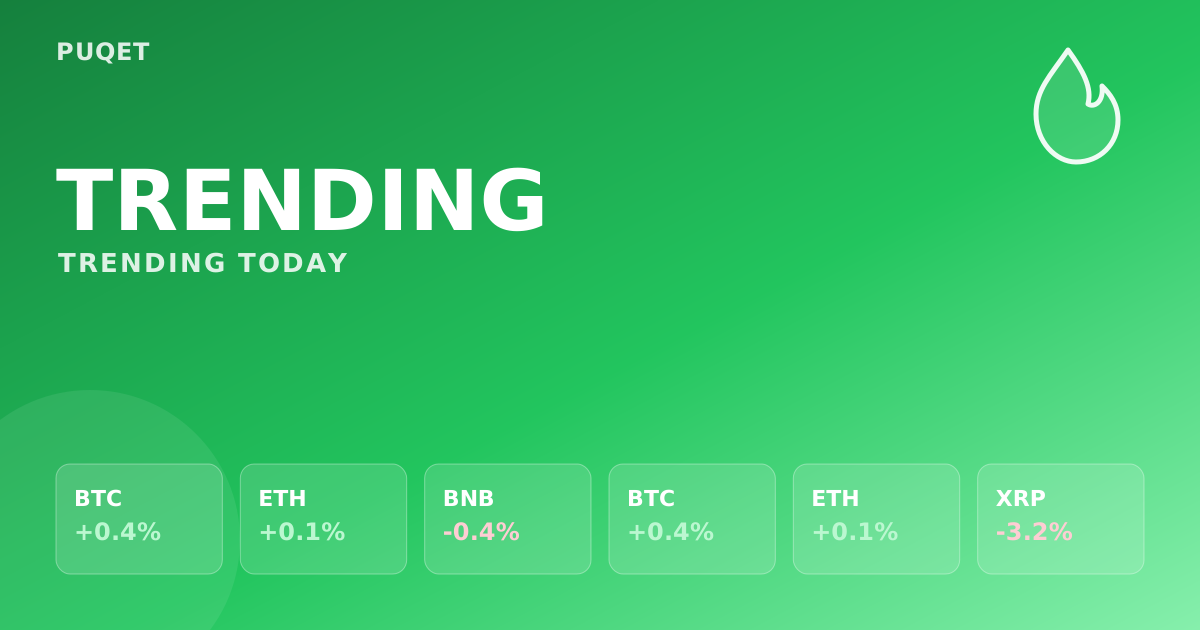
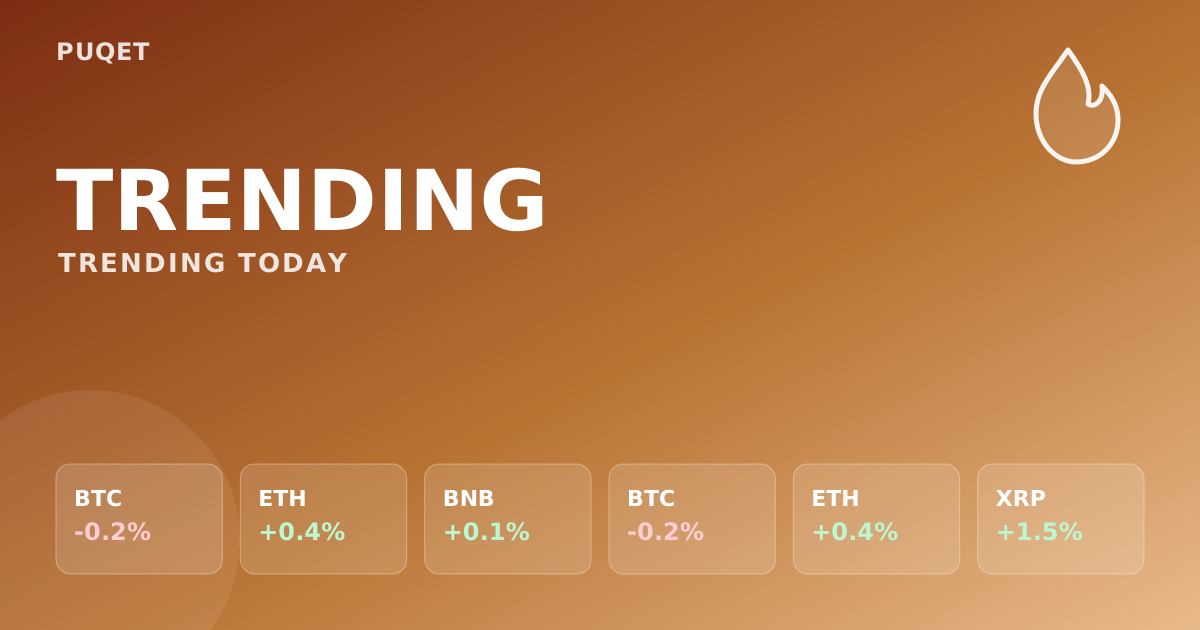
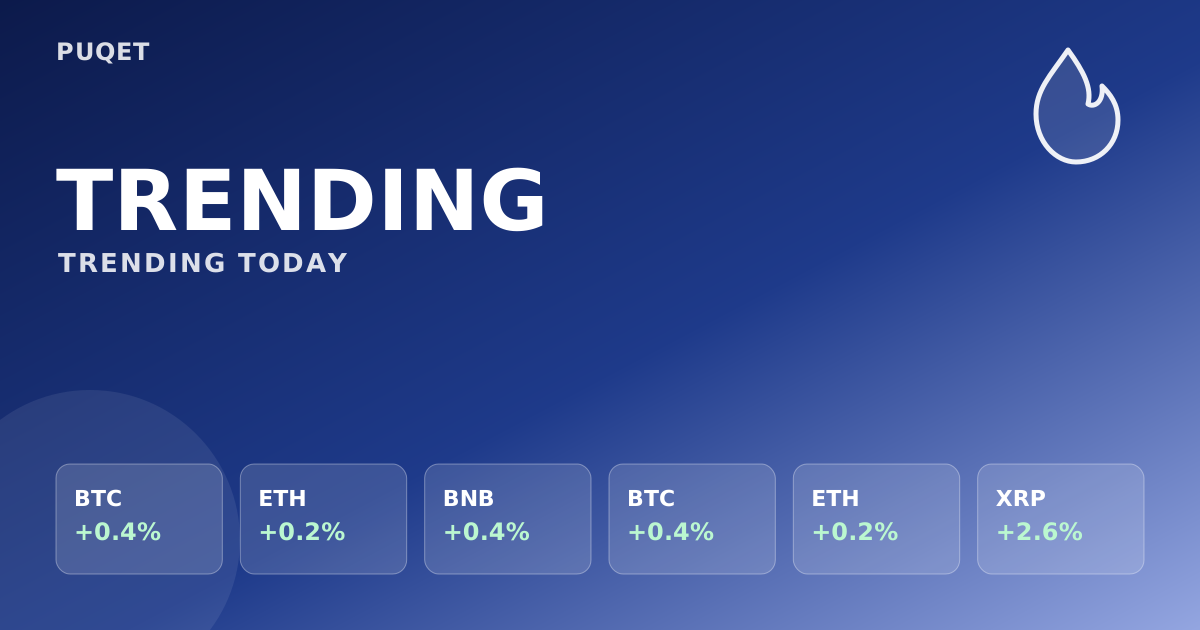
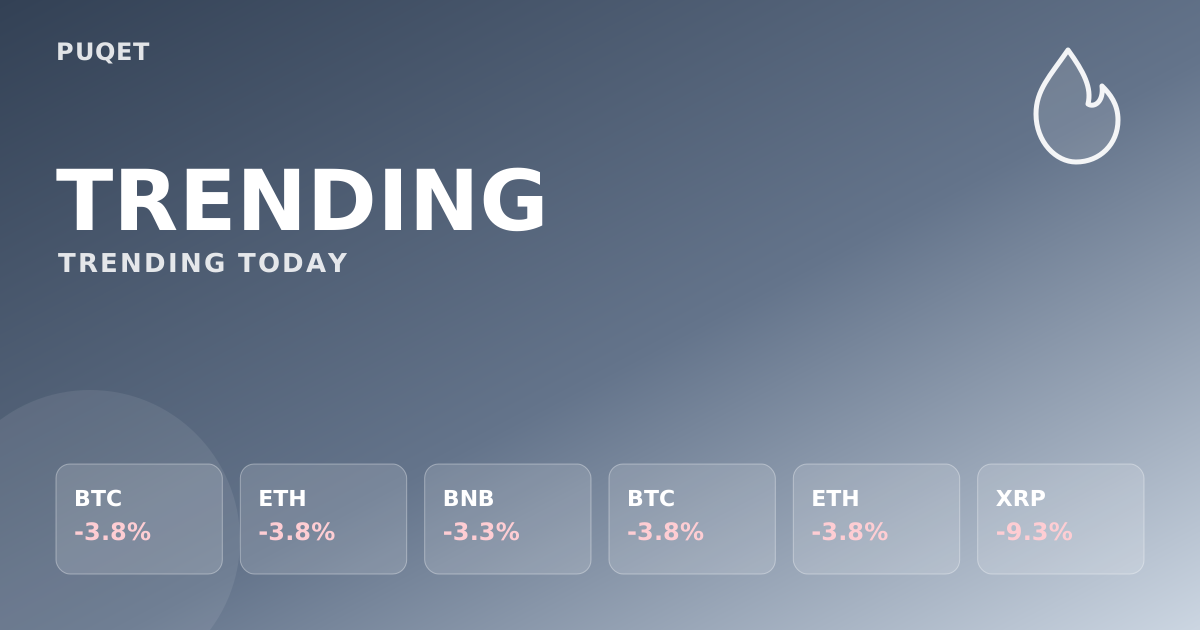
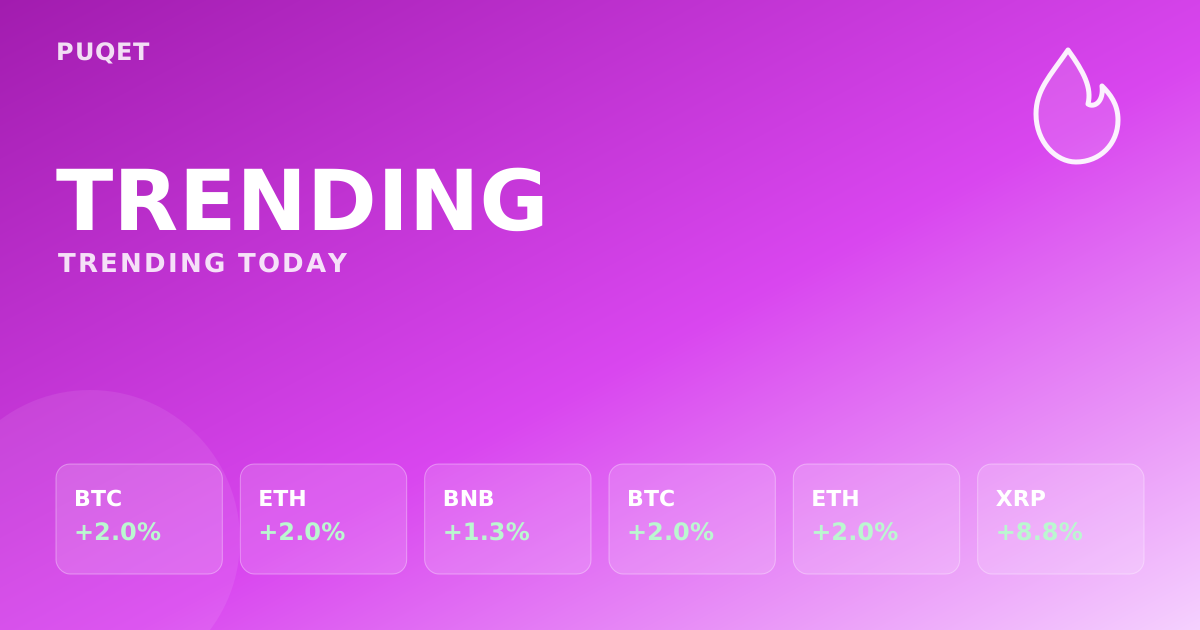
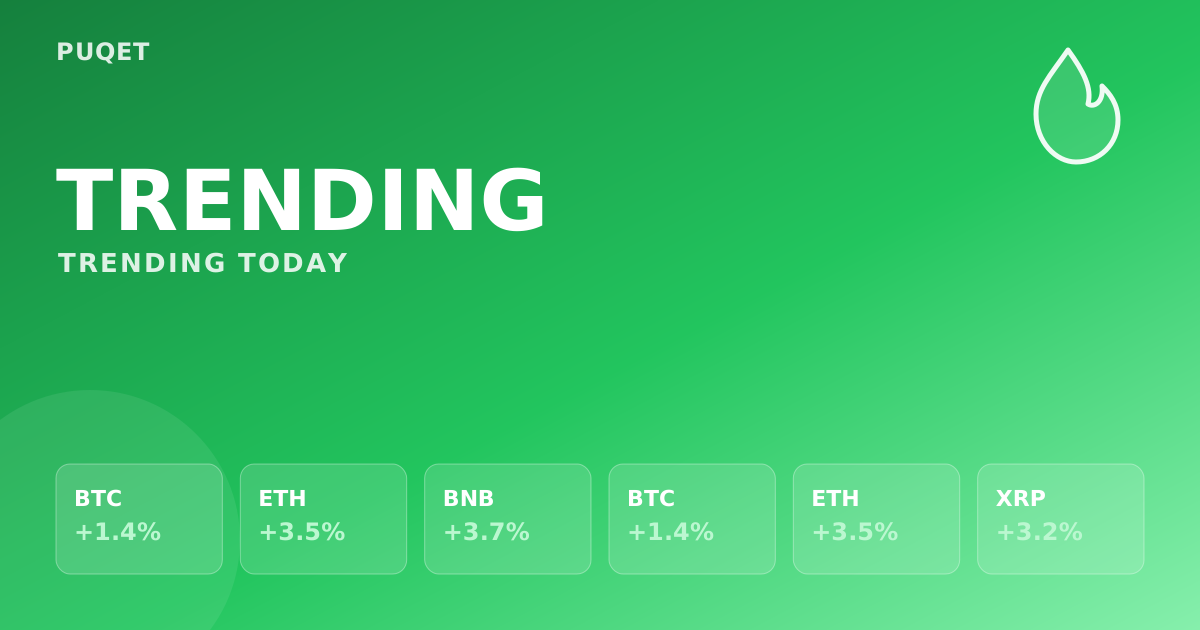
The coins getting the most attention today — hot picks and volume leaders.
A token burn permanently removes coins from circulation by sending them to an address nobody can spend from. Here's how burning actually works on a blockchain, the main reasons projects do it, and why fewer tokens doesn't automatically mean more value.
Most alternative cryptocurrencies tend to rise and fall alongside Bitcoin. Here's a plain-language look at what correlation actually measures, why it shows up so strongly in crypto markets, and what makes it strengthen or weaken over time.
2026-09-26
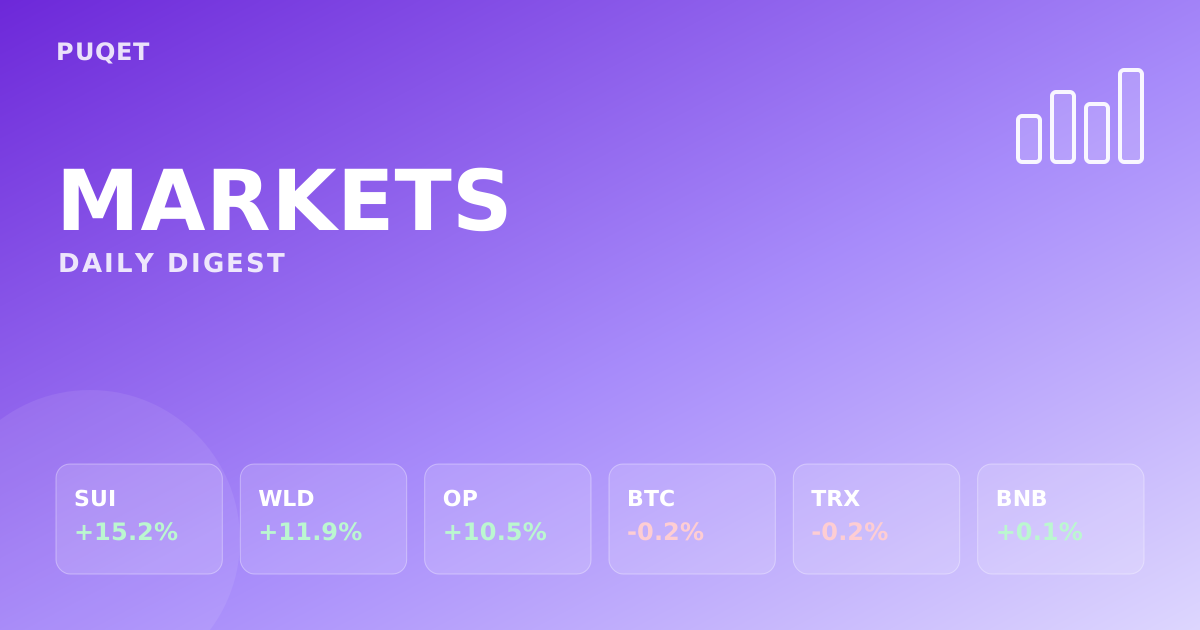
SUI leads today's movers — see the full gainers and losers breakdown.
A rug pull is a scam where the people behind a token drain its value and disappear. Here's how the mechanics work on-chain — from liquidity removal to hidden minting functions — and the warning signs that often appear before the exit.
Proof of work is the process that lets a network of strangers agree on a shared transaction history without a central authority. Here's what miners are actually doing, why the puzzle is hard to solve but easy to check, and how difficulty keeps the whole system steady.
2026-09-25
Blockchains can't natively talk to each other, so moving value between them requires a bridge. Here's how lock-and-mint, burn-and-mint, and liquidity pool bridges actually work — and why bridges have become one of the trickier pieces of crypto infrastructure.
Crypto markets tend to move in long stretches of rising and falling prices that traders call bull and bear markets. Here's a plain-language look at what drives those phases, the mechanics behind them, and why cycles are easier to spot looking backward than forward.
2026-09-24
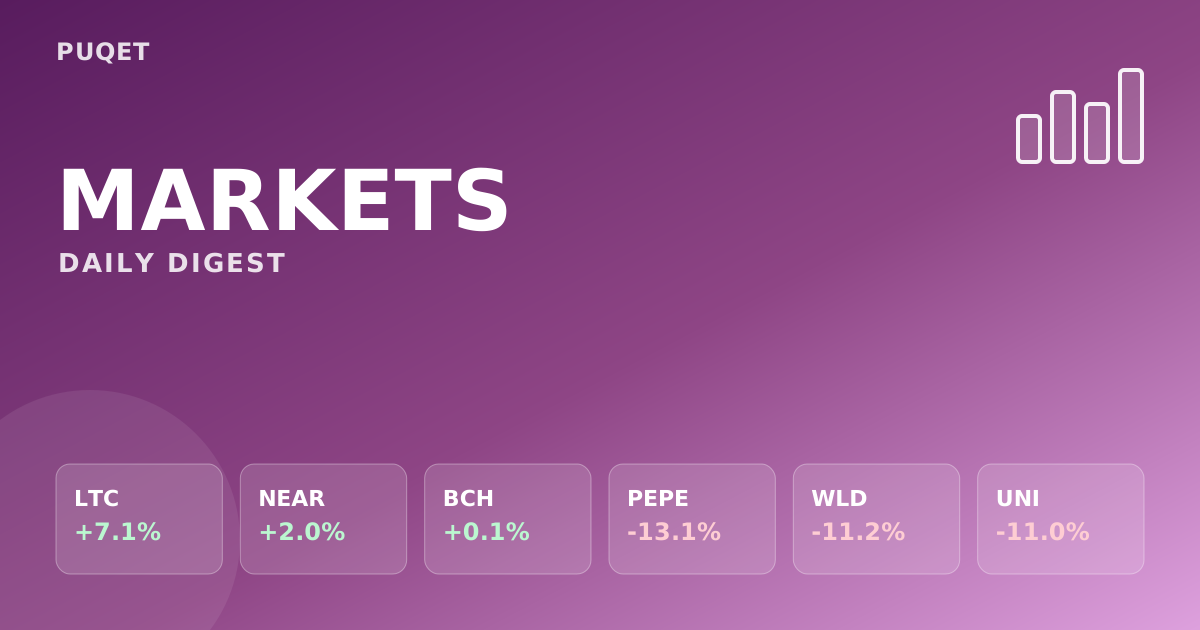
LTC leads today's movers — see the full gainers and losers breakdown.
A blockchain explorer is a search engine for a public ledger. Learn what data it shows, how to look up a transaction or address, and how to read the results when a transfer seems stuck or missing.
A crypto wallet doesn't really hold coins — it holds keys. Understanding who controls those keys is the single biggest difference between custodial and non-custodial wallets, and it shapes how you recover access, how you transact, and what risks you carry.
2026-09-23
BCH leads today's movers — see the full gainers and losers breakdown.
Tokenomics is the study of how a crypto token's supply, distribution, and incentives are designed. Understanding these mechanics helps you read past the marketing and see how a token is actually meant to function.
Every trade on an exchange is a match between two people who wanted opposite things. The order book is where those wants are recorded — and the type of order you place decides how you enter that list.
2026-09-22
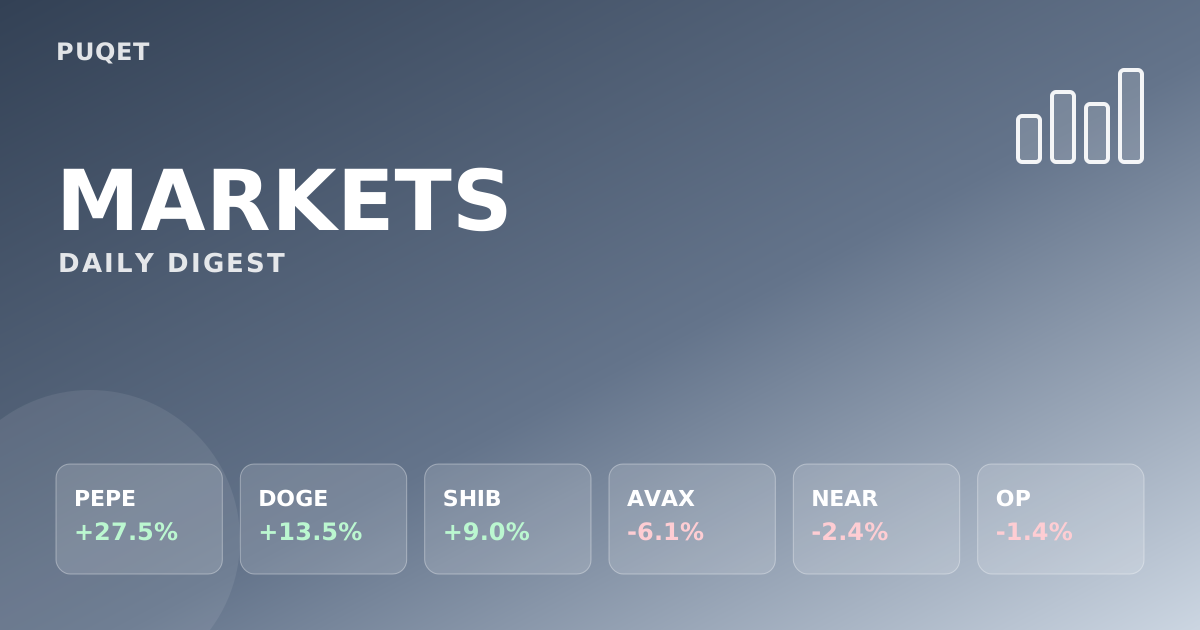
PEPE leads today's movers — see the full gainers and losers breakdown.
A quick overview of Filecoin (FIL): current price, market cap rank, and supply data as of September 22, 2026.
Slippage is the gap between the price you expect when you place a trade and the price you actually get. Here's why it happens, how order books and liquidity pools create it, and what traders can do to keep surprises small.
Airdrops distribute free tokens to wallet addresses, usually to bootstrap a community or reward early users. Here's how projects decide who qualifies, how snapshots and claim contracts work, and the risks and costs that come with claiming.
2026-09-21
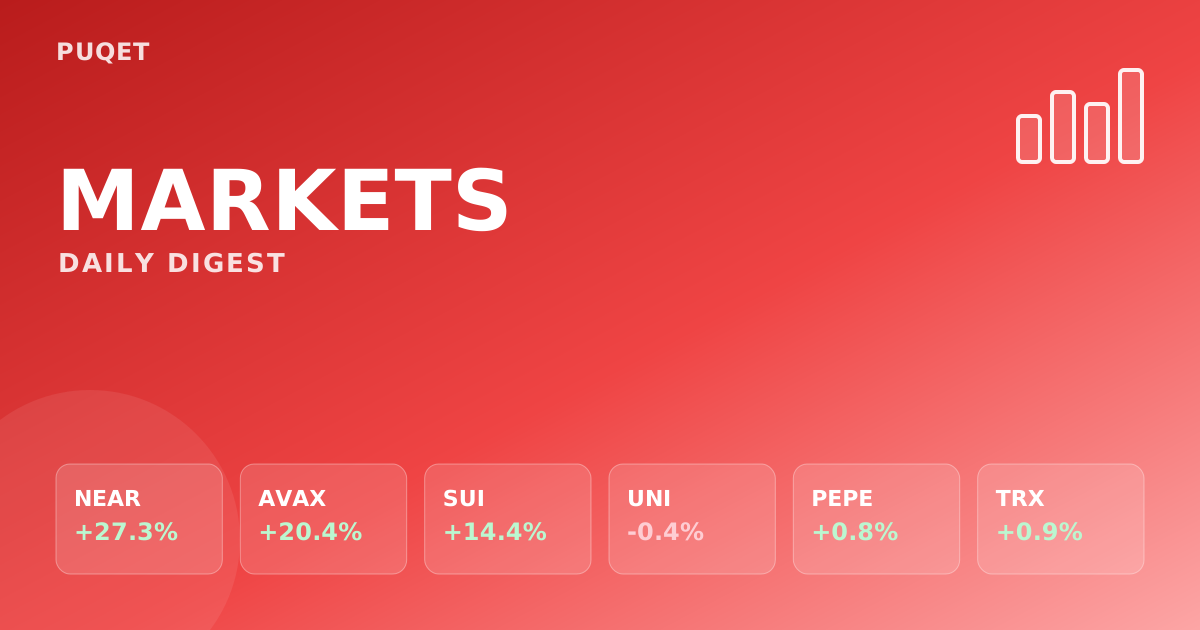
NEAR leads today's movers — see the full gainers and losers breakdown.
A DAO is a group that coordinates money and decisions through smart contracts instead of executives and paperwork. Here's how membership tokens, proposals, on-chain voting, and treasuries actually work — plus the practical limits of governing by code.